Insurance & health
Do you need travel insurance in Europe? (EHIC/GHIC explained)
Short answer: yes. Your EHIC is free and genuinely useful, but it was never designed to fly you home, find your suitcase or refund a cancelled holiday.
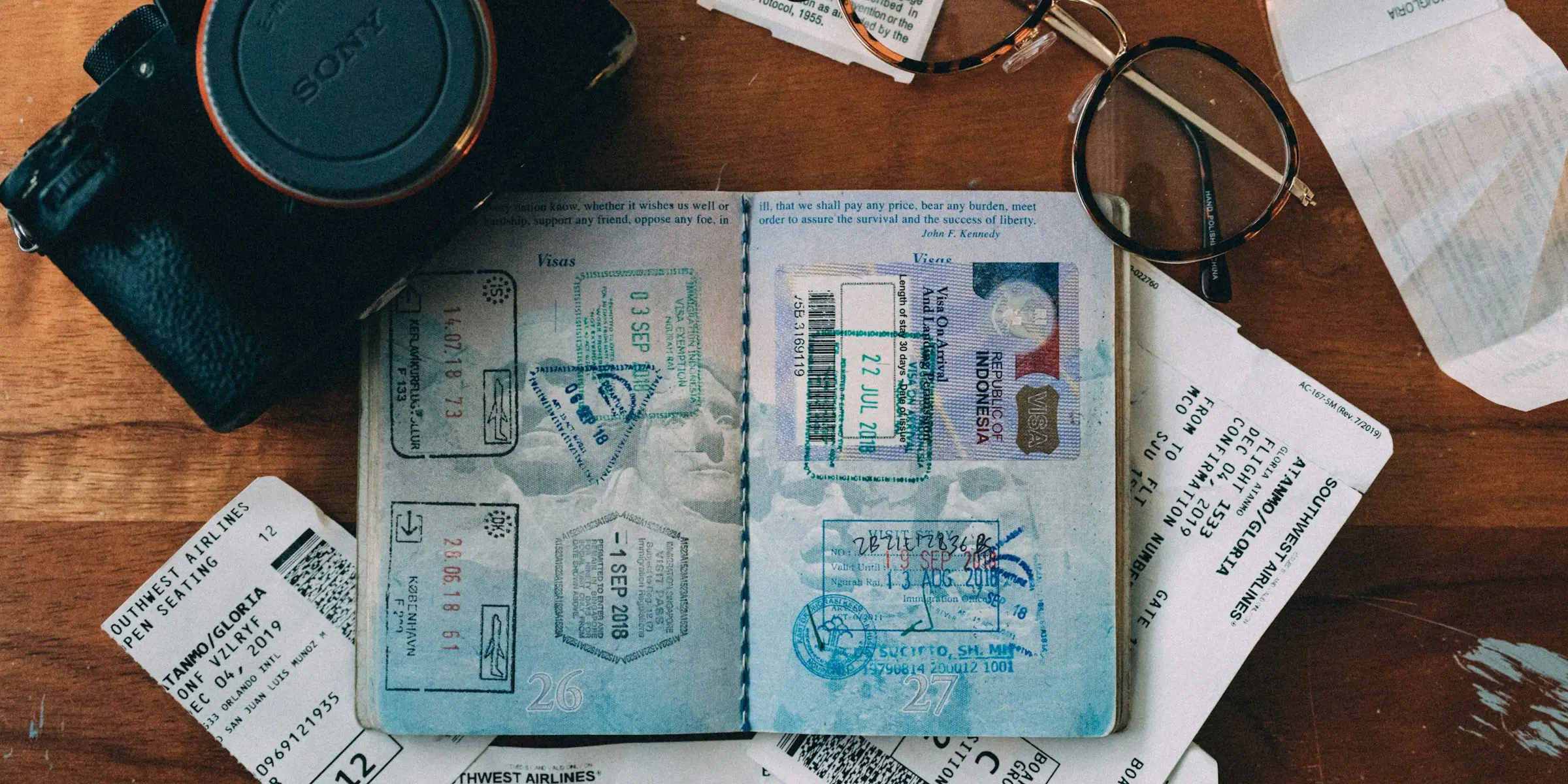
Ask the family WhatsApp and someone will tell you the EHIC means you don’t need travel insurance in Europe. It’s an understandable mistake, and an expensive one if you’re unlucky.
The European Health Insurance Card gets you public healthcare across Europe on the same terms as locals. That’s valuable. But it isn’t insurance: it won’t pay for a private clinic, a flight home on a stretcher, a mountain rescue or a cancelled trip.
Here’s what the card does, what travel insurance adds and how to work out what cover you already have. This is general information, not personal financial advice, and the rules can change, so check the details on hse.ie and citizensinformation.ie before you travel.
What the EHIC is
The EHIC is free and issued in Ireland by the HSE to people who live here. It gives you access to state-provided healthcare that becomes medically necessary during a temporary stay in the EU, Iceland, Liechtenstein, Norway, Switzerland and, under the EU–UK agreement, the UK.
“Necessary” means treatment you can’t reasonably wait to get at home: a broken wrist, a chest infection, a kidney stone. It also covers ongoing care for a pre-existing condition, such as dialysis or oxygen, though you need to arrange that in advance.
Apply through the HSE. You’ll need your PPS number, photo ID and proof that you’ve lived in Ireland for the past 12 months. Every family member needs their own card, children included. The card is free, so ignore any website that charges a fee to “process” your application. Allow up to ten days; if you’re travelling sooner, the HSE can issue a temporary certificate.
What “same terms as locals” means
Public healthcare isn’t free everywhere. In some countries you pay a patient contribution, and in others (France, for example) you pay up front and claim part of it back. Keep every receipt: you may be able to claim a refund locally, or from the HSE once you’re home.
What it doesn’t cover
- Private hospitals and clinics
- Repatriation, meaning a medical flight or escort home
- Mountain rescue and helicopter evacuation
- Cancelled or cut-short trips
- Lost, stolen or delayed luggage, money or passports
- Flight delays and missed connections
- Treatment on most cruise ships
- Anywhere outside the EU, EEA, Switzerland and the UK
EHIC vs GHIC: which card is yours?
The GHIC (Global Health Insurance Card) is the UK’s equivalent, issued by the NHS to people who live in the UK. It replaced the UK EHIC for most new applicants after Brexit.
Both cards follow where you live, not your passport:
- You live in the Republic of Ireland: you need an Irish EHIC from the HSE. You can’t get a GHIC.
- You live in Northern Ireland: you’ll normally get a GHIC from the NHS, even with an Irish passport. Some people covered by the Brexit Withdrawal Agreement can get a UK-issued EHIC instead.
- You live elsewhere in the EU: you get your EHIC from your own country’s health system.
Travelling to the UK
Your Irish EHIC is accepted in the UK for necessary state healthcare. On top of that, under the Common Travel Area arrangements between Ireland and the UK, Irish citizens and people living in Ireland can generally get necessary NHS care during a visit. Bring your EHIC and some proof that you live in Ireland anyway.
Neither arrangement covers private treatment, cancellations or belongings, so the case for travel insurance is the same as anywhere else. Check the current position on citizensinformation.ie before you go.
What travel insurance adds
A decent policy fills the gaps the EHIC leaves:
- Medical expenses, including private treatment, with a high limit (look for cover in the millions, not thousands).
- Repatriation, which can run to tens of thousands of euro if you need an air ambulance.
- A 24-hour emergency assistance line to find a hospital, guarantee payment and handle the paperwork.
- Cancellation and curtailment if illness, bereavement or another listed reason stops your trip or cuts it short.
- Baggage, money and documents.
- Delay and missed departure cover, which can help where EU flight-delay rules don’t (our cheap flights guide explains those rules).
- Personal liability, if you injure someone or damage their property.
Single-trip or annual multi-trip?
A single-trip policy covers one journey and suits people who travel once a year. An annual multi-trip policy covers every trip in a 12-month period, and often works out cheaper once you take two or three trips, weekend city breaks included.
Before choosing an annual policy, check:
- the maximum length of each trip (commonly around 31 days, sometimes longer);
- the area covered, because “Europe” varies by insurer: some include Turkey, Morocco or Egypt, others don’t;
- whether trips within Ireland count (some policies need a minimum number of pre-booked nights);
- age limits, which often apply to annual cover.
Buy as soon as you book. Cancellation cover starts when the policy does, so a policy bought the day before you fly won’t help with something that went wrong last month.
Pre-existing medical conditions
Declare everything the insurer asks about, which usually means anything you’ve been treated for, take medication for, or are awaiting tests or results on. An undeclared condition can give the insurer grounds to refuse a claim.
If a mainstream insurer won’t cover your condition, or quotes something eye-watering, specialist insurers exist. Get any agreement in writing, and tell your insurer if your health changes between buying the policy and travelling.
Winter sports cover
Skiing and snowboarding are usually excluded from standard policies and added as an extra, though some annual policies include a set number of winter sports days. Check for:
- on-piste and off-piste cover, and whether off-piste needs a guide;
- mountain rescue and helicopter evacuation, which the EHIC won’t pay for;
- equipment, lift pass and ski school cover;
- piste closure cover if there’s no snow;
- conditions such as wearing a helmet.
Cover you might already have
Health insurance
Many Irish health insurance plans from VHI, Laya Healthcare and Irish Life Health include some emergency medical cover abroad, and some bundle in a fuller travel policy. It varies a lot from plan to plan: it may cover medical emergencies only, cap the length of each trip, leave out repatriation or say nothing about cancellation and baggage. Check your plan’s table of benefits, or ring your insurer, before you rely on it.
Credit cards and home insurance
Some credit cards include travel cover, often only if you paid for the trip with the card, and sometimes only for accidents. Home insurance with “all risks” cover may protect valuables away from home. Know what you have so you don’t pay twice, but don’t assume a card perk replaces a full policy.
Beyond the EU: where the EHIC stops
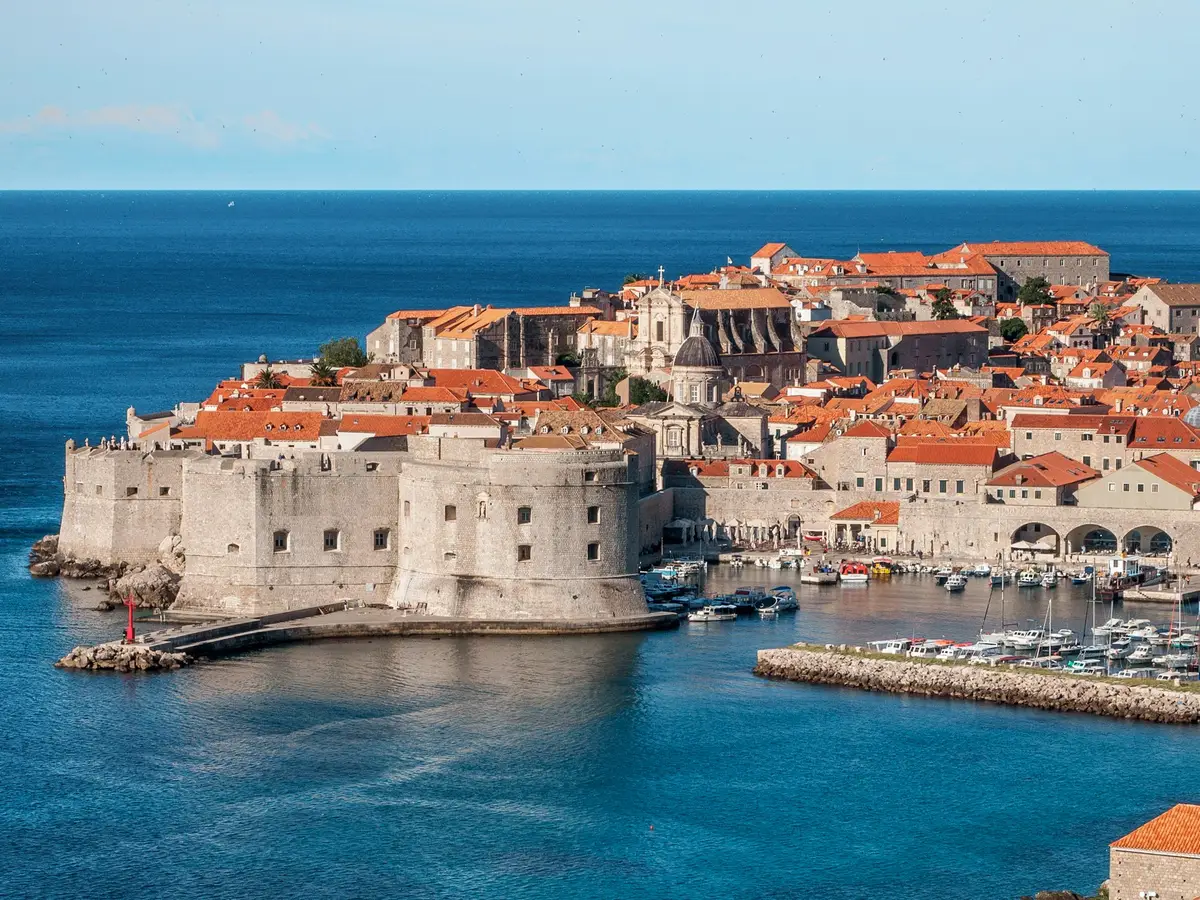
It’s easy to step outside the EHIC zone without noticing. A day trip from Dubrovnik to Kotor in Montenegro or Mostar in Bosnia and Herzegovina, a week in Turkey, or a January escape to Morocco or Egypt (two of our winter sun picks): the EHIC covers none of them. Neither does EU Roam Like at Home, so data can get expensive fast.
That’s where travel insurance stops being a nice-to-have, and where a local eSIM can earn its keep, keeping you online for maps, translation and your insurer’s emergency line. Our eSIM vs roaming guide explains when it’s worth it and when it isn’t.
Your travel insurance checklist
Before you buy, read the policy wording or the Insurance Product Information Document (IPID), the standard summary insurers in the EU must give you. Check:
- medical cover with a high limit, including private treatment;
- repatriation and a 24-hour emergency line;
- cancellation cover at least equal to what you’ve paid and can’t get back;
- the excess on each claim, and whether it applies per person;
- baggage limits, including single-item and valuables limits;
- delay, missed departure and airline failure cover;
- the activities you’ll actually do, from scuba diving to scooter hire (check licence and helmet rules);
- pre-existing conditions declared and accepted in writing;
- trip length, destination area and age limits;
- exclusions, especially around alcohol, unattended belongings and travel against official advice.
On that last point, many policies won’t cover you if you travel somewhere the Department of Foreign Affairs advises against, so check the travel advice on ireland.ie as well. Our travel essentials cover the rest of your pre-trip prep.
When you’re ready, run a few quotes against the checklist rather than picking the cheapest headline price.
Quick answers
Is the EHIC enough for a holiday in Spain?
Not on its own. The EHIC gets you public healthcare on the same terms as Spanish residents, but many clinics in resort areas are private and won't accept it, and it doesn't cover repatriation, cancellations or lost luggage. Carry your EHIC and have travel insurance too.
Can I get a GHIC if I live in Ireland?
No. The GHIC is issued by the UK's NHS to people who live in the UK, including Northern Ireland. If you live in the Republic of Ireland, you need a free EHIC from the HSE, whatever passport you hold.
Can I use my Irish EHIC in the UK?
Yes, an Irish EHIC is accepted for necessary state healthcare in the UK, and Common Travel Area arrangements also generally give Irish citizens and Irish residents access to necessary NHS care during a visit. Neither covers private treatment, cancellations or belongings, and arrangements can change, so check citizensinformation.ie before you go.
How do I apply for an EHIC in Ireland?
Apply free through the HSE, online or by post. You'll need your PPS number, photo ID and proof that you've lived in Ireland for the last 12 months, and each family member needs their own card. Allow up to ten days, or ask for a temporary certificate if you're travelling sooner.
Does travel insurance cover pre-existing medical conditions?
Often, but only if you declare them and the insurer accepts them, sometimes for an extra premium. Failing to declare a condition can give the insurer grounds to refuse a claim. If a mainstream insurer won't cover you, specialist insurers may.
Written by
Wizuv Editorial
Travel desk, Dublin
We're a small team of Dublin-based travellers who fly out of DUB, ORK and SNN far too often. We test the routes, the bags and the eSIMs ourselves, and we'll always tell you when you don't need to buy something.