From
DUB
Dublin
To
NAP
Amalfi Coast
AirlinesAer Lingus · Ryanair
Flight time
3h 05m
Aer Lingus is seasonal; fewer flights in winter
Italy · Mediterranean & Canaries
Cliffside villages, lemon groves and boat days between coves: worth every hairpin bend.
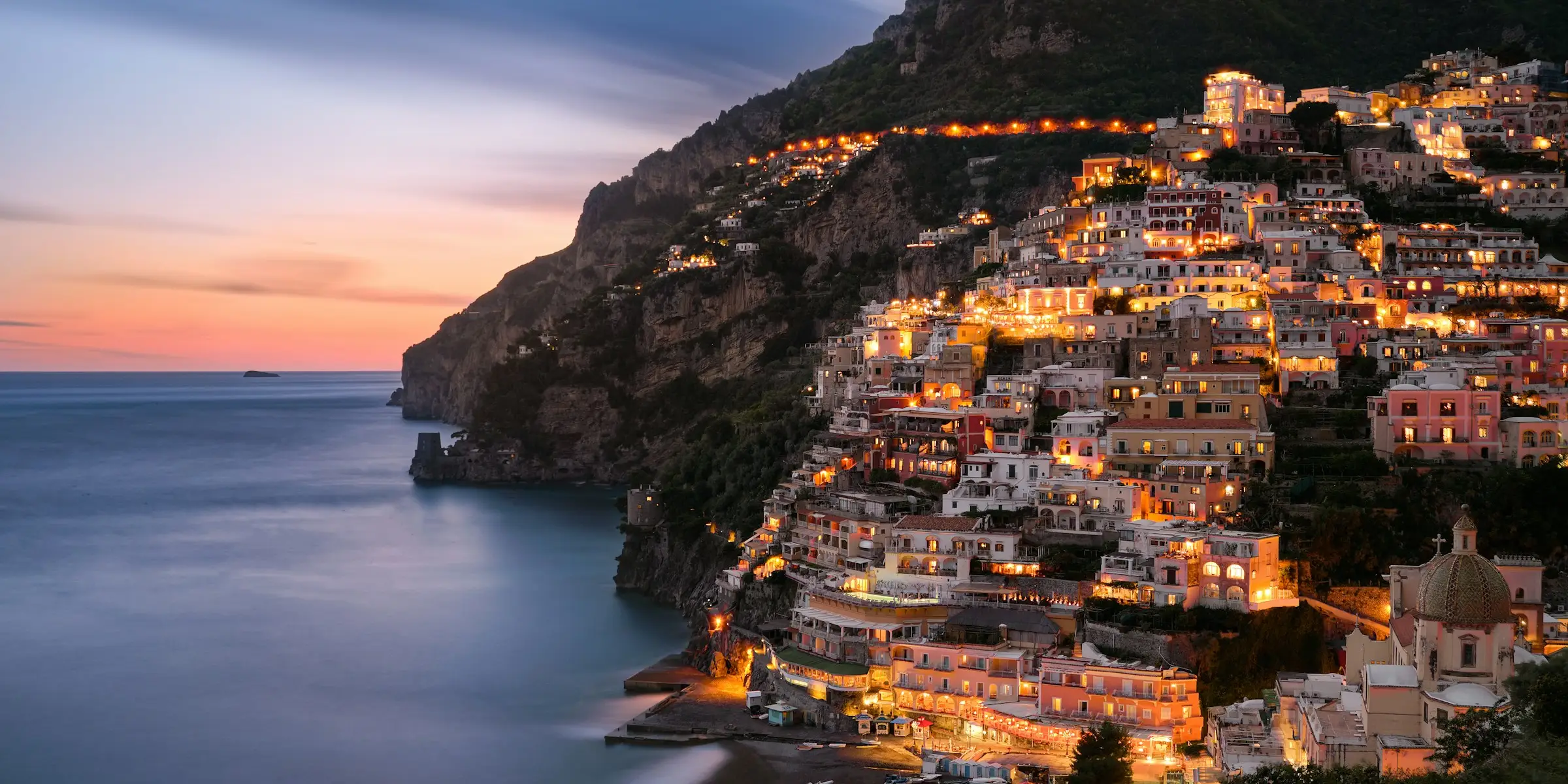
Photo: Sebastian Leonhardt / Unsplash
01 · Why go
The Amalfi Coast looks almost too good to be real. Pastel villages cling to cliffs that plunge into deep blue water, lemon groves are terraced into improbable slopes, and the single coast road twists for some 50 km through hairpins and tunnels high above the sea.
This is a place for slowing right down. Days fall into a rhythm of a morning swim from a pebble beach, a long lunch of spaghetti alle vongole with a glass of local white, a boat trip or a cliff-top walk, then an aperitivo as the lights come on across Positano. It suits couples, honeymooners and walkers above all.
The honest caveat: getting here takes effort. You fly to Naples, just over three hours from Dublin, then face at least 90 minutes by road, or a longer chain of coach, bus and ferry. Hotels are built into cliffs, so you’ll be hauling your bag up steps; our carry-on-only packing list will save your arms.
It’s also expensive, and summer brings coach jams, long bus queues and packed beaches. Come between November and March and many hotels, restaurants and ferries will be closed or running a skeleton service.
Go in May, June or September for warm seas, open hotels and slightly saner crowds, and give it at least four nights. Any less, and the journey eats your holiday.
02 · When to go
Best: May–Jun, Sep. Also good: Apr, Jul–Aug, Oct.
03 · Getting there
Typical direct flight times. Schedules change by season, so always check the current timetable.
From
DUB
Dublin
To
NAP
Amalfi Coast
AirlinesAer Lingus · Ryanair
Flight time
3h 05m
Aer Lingus is seasonal; fewer flights in winter
From
LHR
London
To
NAP
Amalfi Coast
AirlinesBritish Airways
Flight time
2h 40m
Direct
From
AMS
Amsterdam
To
NAP
Amalfi Coast
AirlinesKLM
Flight time
2h 25m
Direct
From the airport: No train reaches the coast. A pre-booked private transfer takes about 1h 30m to Positano or Amalfi, traffic permitting. Cheaper options: the Curreri coach to Sorrento (about 1h 15m), then a SITA bus along the coast, or in season the Alibus to Naples port for a ferry. By public transport, allow three hours or more.
04 · Where to stay
Best for: Views & romance
The coast’s most photographed town spills down a ravine in pastel tiers to the beach at Spiaggia Grande. It’s glamorous, lively at night and well served by summer ferries, but it’s also the priciest base, and everything involves steps, hundreds of them. Choose a hotel that offers porters, or one near the main road.
Best for: Getting around without a car
The town that gave the coast its name is also its transport hub, with SITA buses and ferries fanning out to Positano, Ravello, Salerno and Capri. It’s flatter and more practical than Positano, with a striking cathedral and slightly gentler prices. Daytime crowds are heavy, but evenings, once the coaches leave, are lovely.
Best for: Quiet & gardens
Perched about 350 metres above the sea, Ravello trades beaches for villa gardens, summer concerts and some of the coast’s finest views. It’s calm once the day-trippers leave and suits couples who don’t need the water on their doorstep. The catch: the nearest beach is a 20-minute bus ride down in Amalfi or Minori.
Best for: Value & easy access
Strictly speaking, Sorrento sits on the Bay of Naples rather than the Amalfi Coast, but it makes a smart base: flatter, cheaper, open more of the year, linked to Naples and Pompeii by train, and to Capri and Positano by ferry and bus. Allow 40 minutes to an hour by bus to Positano in summer traffic.
05 · Getting around
SITA SUD buses run the length of the coast road, linking Sorrento, Positano, Amalfi and Ravello; buy tickets before boarding from tobacconists and bars, and expect queues and standing room only in summer. From roughly April to October, ferries are faster and far more scenic, connecting Salerno, Amalfi, Positano, Capri and Sorrento. Taxis and private drivers fill the gaps, at a price.
The cliff-hugging coast road is narrow and coach-choked, and parking is scarce and expensive in every town. In recent summers, non-resident cars have also faced odd/even number-plate restrictions on peak days. Use buses, ferries and drivers instead; a car only helps if you’re touring Campania beyond the coast.
06 · Things to do
The Sentiero degli Dei runs from Bomerano, above Amalfi, to Nocelle, above Positano: about 7 km and three hours, mostly downhill in that direction, with sea views the whole way. Take the SITA bus from Amalfi to Bomerano, start early, carry plenty of water and wear proper shoes. From Nocelle, catch the local bus down or tackle the long staircase to Positano.
Villa Rufolo’s terraced gardens frame the classic view down the coast and host summer concerts on a stage that seems to hang over the sea. A 10–15 minute walk away, Villa Cimbrone’s Terrace of Infinity is lined with marble busts above a sheer drop. Go late in the afternoon, when the day-trippers have left and the light softens.
The coast looks best from the sea. A shared boat trip, or a private gozzo with a skipper from Positano or Amalfi, lets you swim in coves you can’t reach by road and stop for lunch at a beach restaurant. Alternatively, take the ferry to Capri for the day, though the Blue Grotto closes when the swell is up. Book a day or two ahead in summer.
Pompeii sits between Naples and Sorrento, so it slots neatly into your arrival or departure day. Allow at least three hours, and bring water and a hat, as there’s little shade. At the time of writing, visitor numbers are capped and tickets are issued in your name, so book on the official site, and arrange somewhere to leave big suitcases.
Climb the grand staircase to the Duomo di Sant’Andrea, with its striped façade and the serene Cloister of Paradise, before the boats and coaches arrive mid-morning. Then follow the main street uphill past limoncello shops into the quieter upper town, or walk the Valle delle Ferriere trail past ruined paper mills. Come back at dusk, when the piazza belongs to locals again.
07 · Stay connected
Italy is covered by EU Roam Like at Home at the time of writing (November 2026), within your plan’s fair-use limit. Signal drops in tunnels, gorges and on stretches of the Path of the Gods, so download offline maps, ferry tickets and hotel directions before you set off. An eSIM is worth it if your allowance is small and you’ll be leaning on data for ferry apps, maps and photo uploads all week.
More detail in our guide to eSIM vs roaming for Irish travellers.
08 · Insurance
Your EHIC covers state healthcare in Italy, but not private clinics, repatriation or anything that goes wrong with your bookings. With non-refundable hotels and ferries that cancel in rough seas, get travel insurance that covers cancellations, missed connections and hiking.
Not sure what the EHIC covers? Read do you need travel insurance in Europe?
Amalfi Coast cheat sheet
A pre-booked private transfer is the least stressful option: about 1h 30m to Positano or Amalfi, and you’re dropped close to your hotel. On a budget, take the Curreri coach to Sorrento and then a SITA bus, or in season the Alibus to the port for a ferry. Expect public transport to take three hours or more with connections.
Only if you want peace over polish. From roughly November to March, many hotels, restaurants and beach clubs close, ferries thin out or stop, and buses run less often, though Amalfi town and Sorrento stay reasonably lively. You’ll get empty viewpoints and lower prices, but also rain and shuttered villages, so confirm your hotel is open before you book flights.
Amalfi town is the best-connected base, with buses and ferries in every direction. Positano is more glamorous but steeper and pricier, while Ravello suits a quiet, gardens-and-views stay. Many people split a week between two bases to cut down on travel.
Yes, but it adds time. From Roma Termini, high-speed trains reach Naples in about 1h 10m and Salerno in under two hours, where ferries (in season) and buses continue to Amalfi and Positano. It’s only worth it if Rome flights are much cheaper or you’re combining the two cities.
Last updated
Book this trip
Amalfi Coast, sorted.
Partner links. We may earn a commission at no extra cost to you.How it works

Packing
Seven days, one small bag, no waiting at the carousel. It's easier than it sounds, once you stop packing for the person you imagine you'll be on holiday.
7 min read

Insurance & health
Short answer: yes. Your EHIC is free and genuinely useful, but it was never designed to fly you home, find your suitcase or refund a cancelled holiday.
7 min read
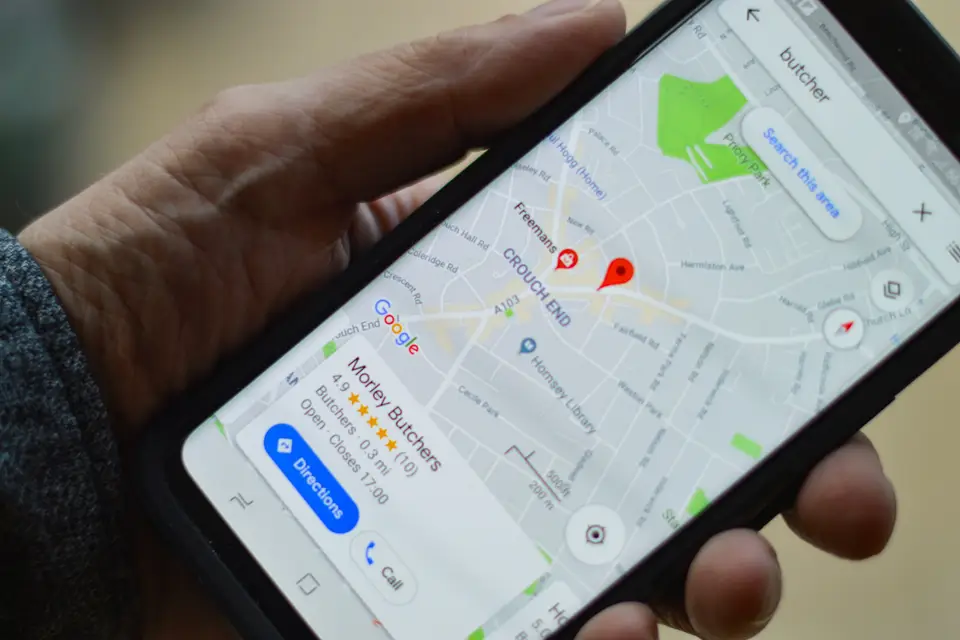
Phones & data
Your Irish plan already works across the EU, mostly. Here's where the small print bites, when an eSIM earns its keep, and when it's money you didn't need to spend.
8 min read
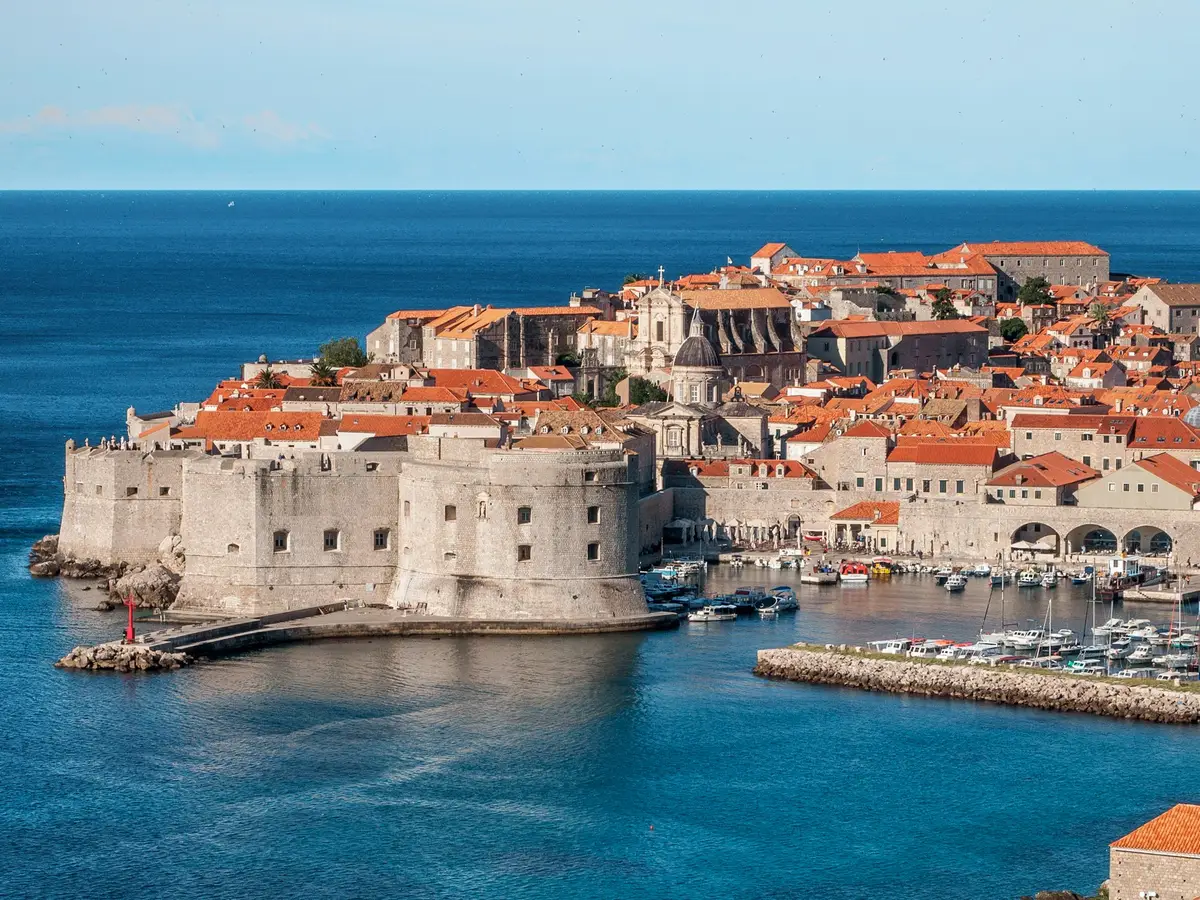
Croatia
Marble streets, mighty city walls and an Adriatic warm enough to swim in October.
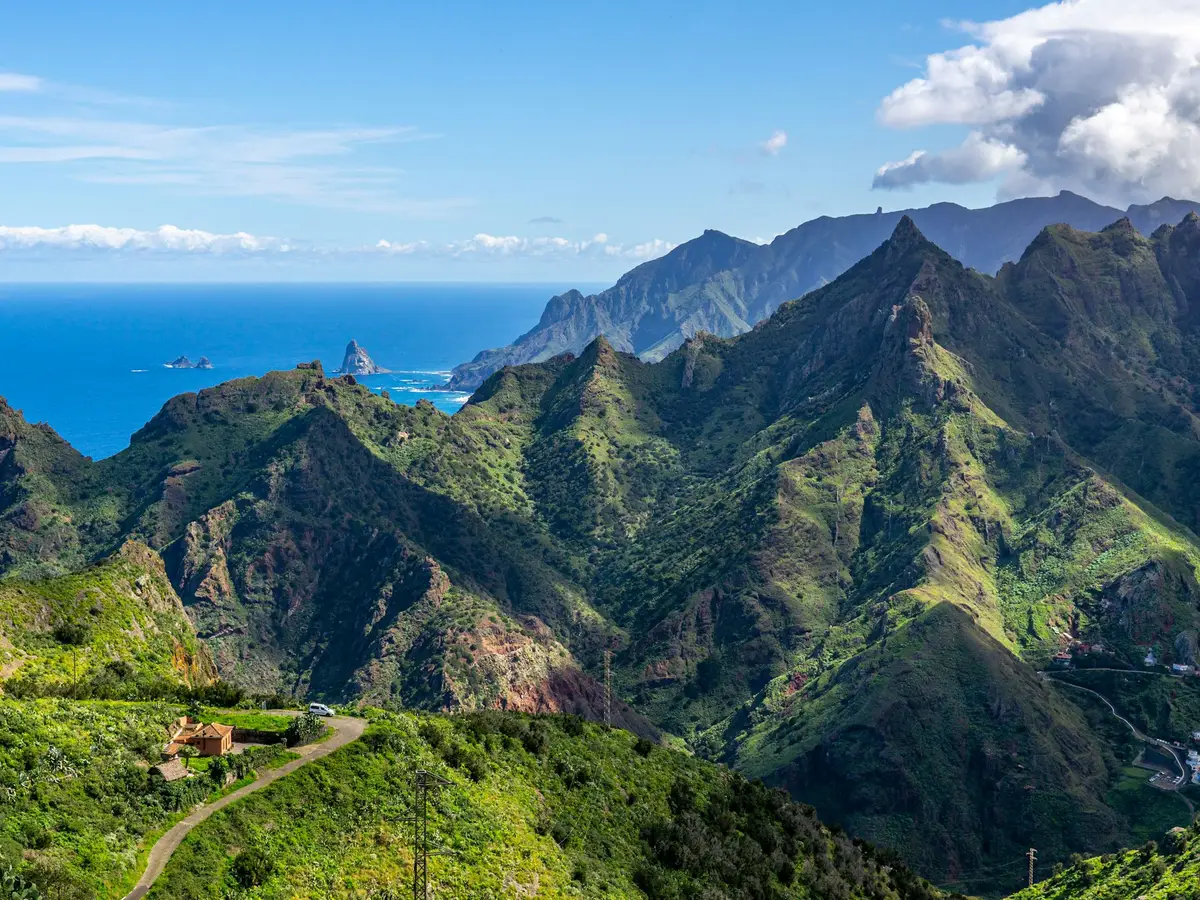
Spain (Canary Islands)
Winter sun with no time difference, a volcano to climb and whales just offshore.

Spain
Gaudí, Gothic lanes and a Mediterranean beach, all in one walkable city.