Packing
Carry-on only: the 7-day packing list
Seven days, one small bag, no waiting at the carousel. It's easier than it sounds, once you stop packing for the person you imagine you'll be on holiday.
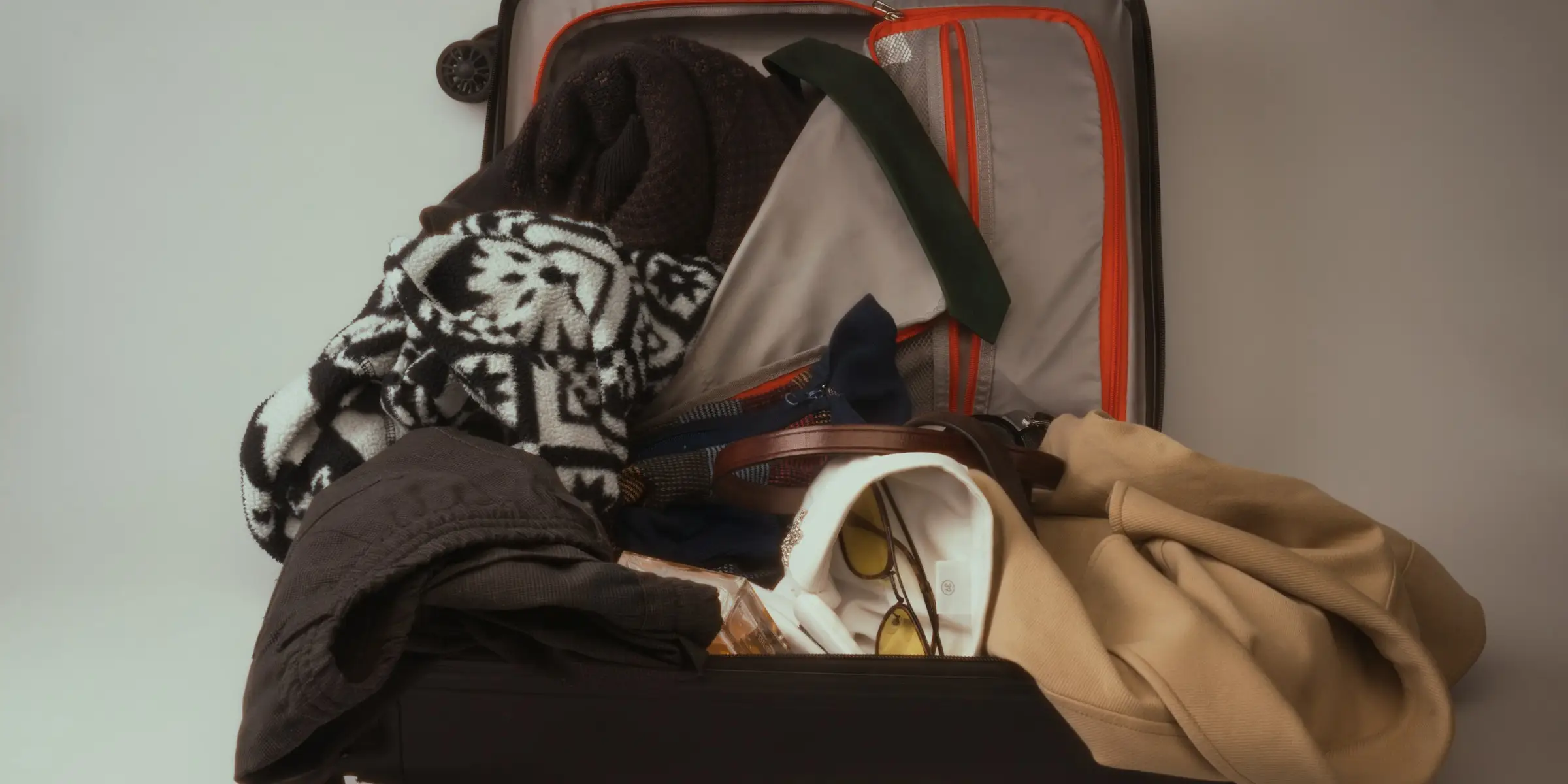
Nothing beats strolling past the baggage carousel while the rest of your flight stares at an empty belt. Going carry-on only saves money and time, and spares you the small dread of watching for a bag that never appears.
A week out of one cabin bag isn’t about owning fewer clothes. It’s about packing a system: a handful of pieces that all work together, a couple of rules you don’t break, and techniques that make the most of every centimetre.
Here’s what we’d pack for seven days in a European city or on a sun break, with bag rules for Ryanair and Aer Lingus as they stand at the time of writing (November 2026).
First, know your bag allowance
Bag rules are the thing most likely to change after this guide is published, so treat the figures below as a snapshot and always check your own booking. Your fare type decides what you can bring, not the airline’s general rules page.
| Airline and fare | What’s included | Size and weight |
|---|---|---|
| Ryanair, basic fare | One small under-seat bag | 40 x 30 x 20cm |
| Ryanair, Priority or Regular | Small bag plus a cabin bag | Cabin bag 55 x 40 x 20cm, up to 10kg |
| Aer Lingus, Saver | One small under-seat bag | 33 x 25 x 20cm |
| Aer Lingus, higher fares or paid add-on | Small bag plus a cabin bag | Cabin bag up to 10kg, typically 55 x 40 x 24cm |
A few things worth knowing:
- The sizers are real. Both airlines check bags at the gate, and an oversized bag can mean a hefty fee to put it in the hold. Measure yours with the pockets full and the wheels included.
- Do the maths. Ryanair’s 40 x 30 x 20cm bag holds about 24 litres, roughly a school rucksack. Aer Lingus’s 33 x 25 x 20cm bag is about 16.5 litres, which is tight for a week.
- Soft beats hard. A soft-sided bag squashes into a sizer; a hard shell doesn’t.
- Regional and partner flights can differ. If a different airline operates your flight, its rules may apply.
The capsule formula
For seven days, pack three tops, two bottoms and one warm layer, then wear a fourth top, a third bottom and your bulkiest layer on the plane. That’s four tops and three bottoms in rotation: plenty, with one midweek wash.
- Pick two base colours and one accent. Navy and grey with white, or black and stone with olive. If every top works with every bottom, three tops and two bottoms already make six outfits.
- Choose fabrics that forgive. Merino tops can go several wears without smelling, dry overnight and barely crease. Linen and cotton blends suit the heat; skip anything that wrinkles if you look at it.
- One smart piece, not a second wardrobe. A dark shirt or a simple dress, dressed up with different shoes, covers a nice dinner.
- Plan the wash. Sink-wash with travel wash or shampoo, roll in a towel to squeeze out the water, and hang overnight. Or book an apartment with a washing machine.
Layering for European weather
You’re Irish: you already know weather. The trick is layers, not one bulky coat.
- Base: T-shirts or merino tops.
- Mid: a thin merino jumper or fleece.
- Outer: a packable waterproof shell. From November to March, add a light down jacket that squashes into its own pocket.
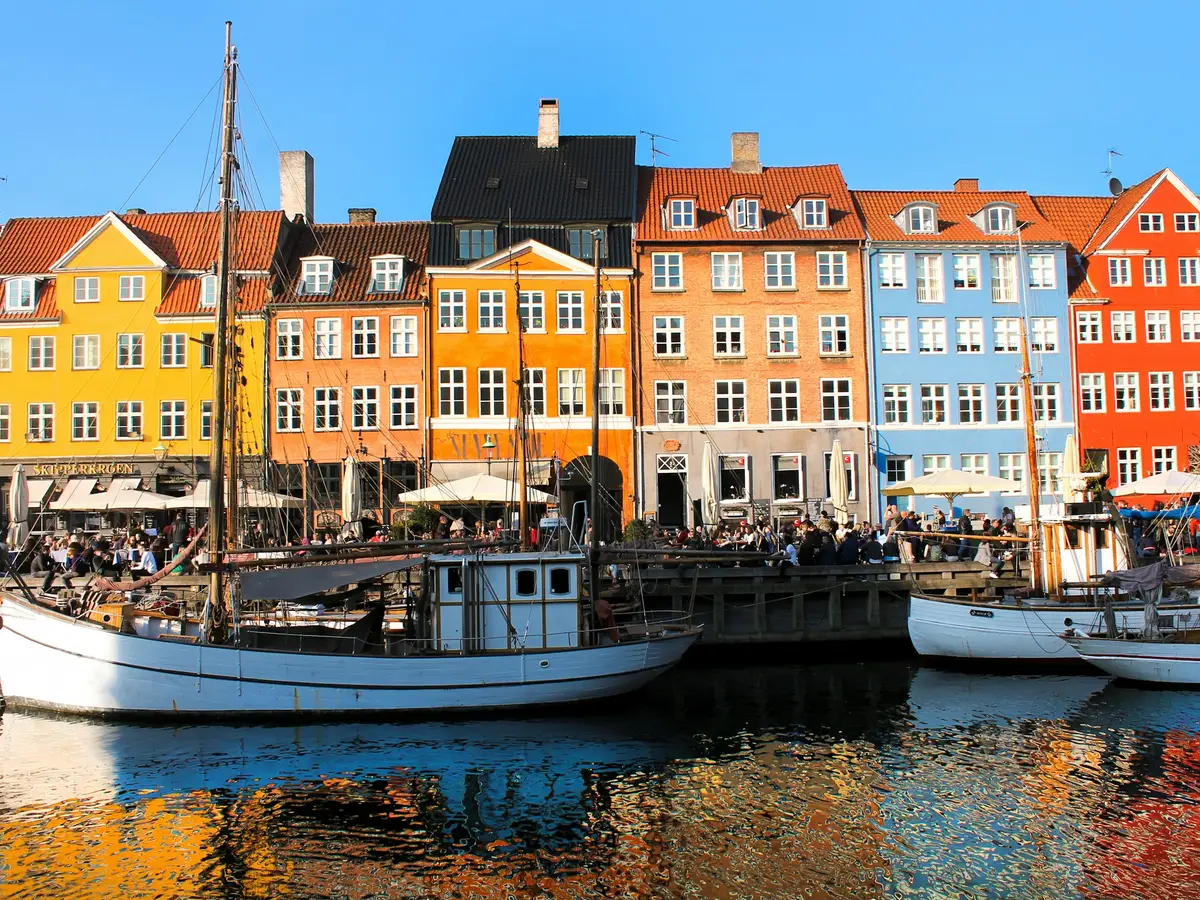
Three thin layers handle a cold morning and a sunny afternoon in Copenhagen far better than one thick coat, and they pack flat.
The shoe rule
Two pairs, maximum, and you wear the heavier pair. One should be comfortable walking shoes you’ve already broken in, because cobbles and long days on foot find out every weakness. The second is sandals or something smarter for evenings. Stuff socks and cables inside the packed pair.
Underwear, socks and sleepwear
Five pairs of underwear and socks, washed midweek. One set of sleepwear that doubles as loungewear. A swimsuit weighs nothing, so take it even on a city break: hotel pools, spas and summer harbour baths all count.
Toiletries and the liquids question
Liquids rules are in flux. Some airports that have installed new CT scanners have relaxed the 100ml limit, while many others still apply it: containers of 100ml or less, in one clear resealable bag of about a litre, taken out at security. Check your departure airport’s website before you go, including Dublin’s, which has been upgrading its scanners.
- Go solid. Shampoo bars, conditioner bars, solid deodorant and stick sun cream don’t count as liquids.
- Decant. Screw-top 100ml bottles leak less than squeezy ones. Label them.
- Buy it there. Sun cream and after-sun are easy to find in any pharmacy or supermarket in Spain or Portugal.
- Check what the hotel provides. Most supply shampoo and shower gel.
- Medicines go in your hand luggage in their original packaging, with a copy of your prescription. Liquid medicines you need during the trip are usually allowed over 100ml, but bring proof.
Tech that earns its place
- Phone, plus one multi-port USB-C charger that can run your phone, watch and laptop.
- A power bank, in your hand luggage only. Several airlines now restrict using it in flight, so check.
- One plug adapter. Ireland uses Type G plugs; most of continental Europe uses two-pin Type C and F. The UK uses the same plugs as us.
- Headphones, and an e-reader instead of three paperbacks.
- Mobile data sorted before you land: our eSIM vs roaming guide explains when you need one.
Packing techniques that work
Roll the soft stuff, fold the structured stuff
Rolled T-shirts, knitwear, leggings, underwear and sleepwear make tight cylinders that fill gaps and crease less. Shirts, blazers and anything with a collar fold flat with a few large folds, and go on top.
Use packing cubes
One cube for tops, one for bottoms and underwear, a small one for tech. Compression cubes squeeze out air, but they make your bag denser, not bigger, so keep an eye on a 10kg limit.
Wear your bulkiest items
Boots, jumper, jacket and jeans go on your body, not in the bag. Jacket pockets can carry a book, a charger and a scarf onto the plane.
Fill every gap
Socks inside shoes, a belt around the inside edge of the bag, and the liquids bag on top so it comes out in one move at security.
Travelling light also changes how you shop for flights: without a hold bag, the cheapest fare often really is the whole price. Our guide to cheap flights from Dublin covers timing and routes.
The 7-day checklist
Screenshot it, print it, or tick it off in your head.
Clothes (including what you wear)
- 4 tops (3 packed, 1 worn), one smart enough for dinner
- 3 bottoms (2 packed, 1 worn)
- 1 warm mid-layer
- 1 packable waterproof jacket, plus a light down jacket in winter
- 5 pairs of underwear
- 5 pairs of socks
- 1 sleepwear set
- 1 swimsuit
- Hat, scarf or sunhat, depending on the season
Shoes
- Broken-in walking shoes (worn)
- Sandals or smarter shoes (packed)
Toiletries
- Clear liquids bag with 100ml containers
- Toothbrush and toothpaste
- Shampoo bar and solid deodorant
- Sun cream, or buy it there
- Glasses or contact lenses and solution
- Medication in original packaging, plus a prescription copy
- A few plasters and painkillers
Tech
- Phone and charger
- Multi-port USB-C charger and cables
- Power bank (hand luggage only)
- Type G to European plug adapter
- Headphones
- E-reader
Documents and money
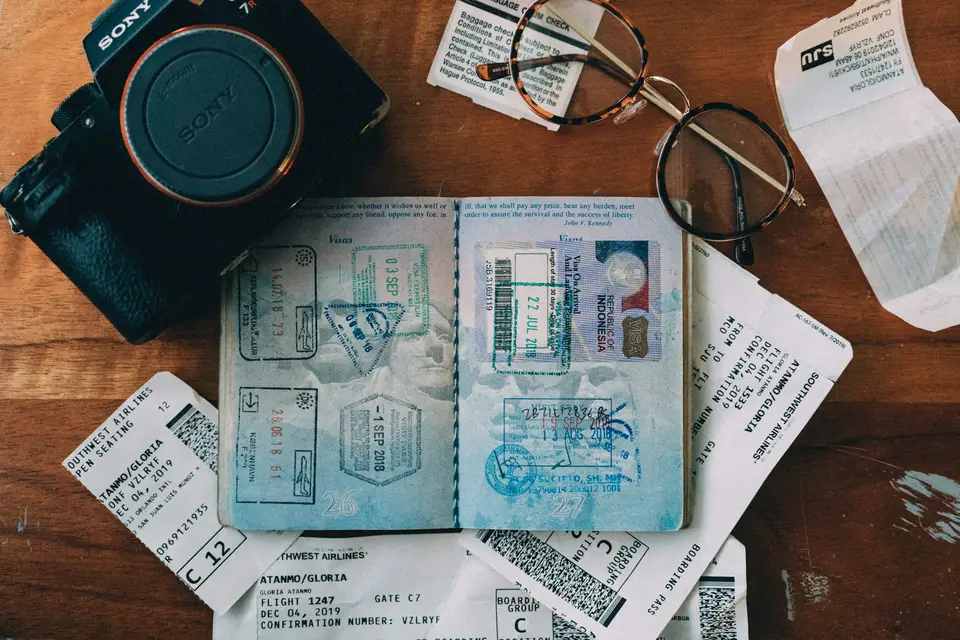
- Passport or Irish passport card for EU travel; check your airline’s ID rules for UK flights
- Boarding passes on your phone, plus a screenshot
- EHIC and travel insurance details (see our EHIC and insurance guide)
- A bank card, plus a backup card kept separately
- A little cash in the local currency
Extras
- Foldable tote bag
- Empty reusable water bottle
- Sunglasses
- Earplugs and an eye mask
For the kit we rate, from packing cubes to adapters, see our travel essentials. Only got a weekend? Halve the clothes, keep the rules, and pick a city from our weekend breaks under three hours from Dublin.
Quick answers
Can you really pack for a week in a Ryanair free under-seat bag?
Yes, in warmer months and with discipline. At 40 x 30 x 20cm at the time of writing, it holds about 24 litres: enough for a capsule wardrobe if you wear your bulkiest layers on the plane and plan one sink wash. For winter, or a trip that mixes smart and casual, the 10kg cabin bag is far more comfortable.
What are the liquid rules for hand luggage?
They depend on the airport. Some airports with new CT scanners have relaxed the 100ml limit, but many still apply it: containers of 100ml or less in a single clear, resealable bag of about one litre. Pack for the strictest airport on your trip, which is often the one you fly home from.
Can I bring a power bank in my carry-on?
Yes, and that's the only place it can go: power banks and spare lithium batteries aren't allowed in checked luggage. Most airlines allow power banks up to 100Wh without approval, and several now restrict using or charging them during the flight, so check your airline's rules.
Is rolling or folding clothes better for packing?
Both, depending on the item. Roll soft things like T-shirts, knitwear and underwear; fold structured pieces like shirts and blazers flat so they don't crease. Packing cubes keep each group together and make a small bag far easier to live out of.
Written by
Wizuv Editorial
Travel desk, Dublin
We're a small team of Dublin-based travellers who fly out of DUB, ORK and SNN far too often. We test the routes, the bags and the eSIMs ourselves, and we'll always tell you when you don't need to buy something.