Inspiration
Best winter sun from Ireland
Ranked by what actually matters in January: how warm it really gets, how long you're on the plane, and whether you'll need a jumper at dinner.
Somewhere around the second week of January, Ireland hits peak grey. The days are short, the Christmas money is gone and the forecast reads like a threat.
The good news is that real warmth is closer than it feels. Four hours from Dublin gets you 21°C and a sea you can actually swim in. Three hours gets you long lunches outside in a T-shirt, even if the evenings still want a jacket.
We’ve ranked the realistic options on three things: how warm it reliably is from December to February, how long it takes to get there from Ireland, and how easy the trip is once you land. Flight times are typical direct scheduled times from Dublin and shift a little with the wind; temperatures are average daytime highs, so expect cooler evenings everywhere.
The quick comparison
| Destination | Flight from DUB | Typical Jan high | Best for |
|---|---|---|---|
| Tenerife | 4h 20m | 21–22°C | Reliable sun, families, Mount Teide |
| Gran Canaria | 4h 25m | 21–22°C | Dunes plus a real city |
| Lanzarote | 4h 05m | 20–21°C | Volcanic scenery, cycling |
| Fuerteventura | 4h 10m | 20–21°C | Huge beaches, kitesurfing |
| Madeira | 3h 45m | 19–20°C | Walking, gardens, New Year |
| Málaga / Costa del Sol | 2h 55m | 16–17°C | Short flight, food, city and coast |
| Algarve (Faro) | 2h 45m | 16–17°C | Golf, coastal walks, quiet |
| Malta | 3h 35m | 15–16°C | History, English spoken |
| Cyprus (Paphos) | 4h 50m, limited directs | 17–18°C | Ancient sites, mountains |
| Marrakech | 3h 45m | 18–19°C | Souks, riads, the Atlas |
| Agadir | 4h | 20–21°C | Beach with a Moroccan twist |
| Red Sea (Hurghada, Sharm) | No direct; 8h+ via a hub | 21–23°C | Diving, the warmest sea |
The short version: if warmth is the priority, the Canaries win on almost every count. If you’d trade a few degrees for a shorter flight and a proper city, look at Málaga or the Algarve.
1. The Canary Islands
The Canaries are Ireland’s winter-sun default for good reason. They sit off the coast of Africa but are part of Spain, so you get the euro, EU roaming, EHIC cover and the same time zone as home. Ryanair and Aer Lingus both fly to the main islands from Dublin, and Cork, Shannon and Belfast also have winter flights to some of the islands (check what’s running this season).
Expect around 20–22°C by day, 14–16°C at night, and a sea of roughly 19°C: brisk, but swimmable.
Tenerife
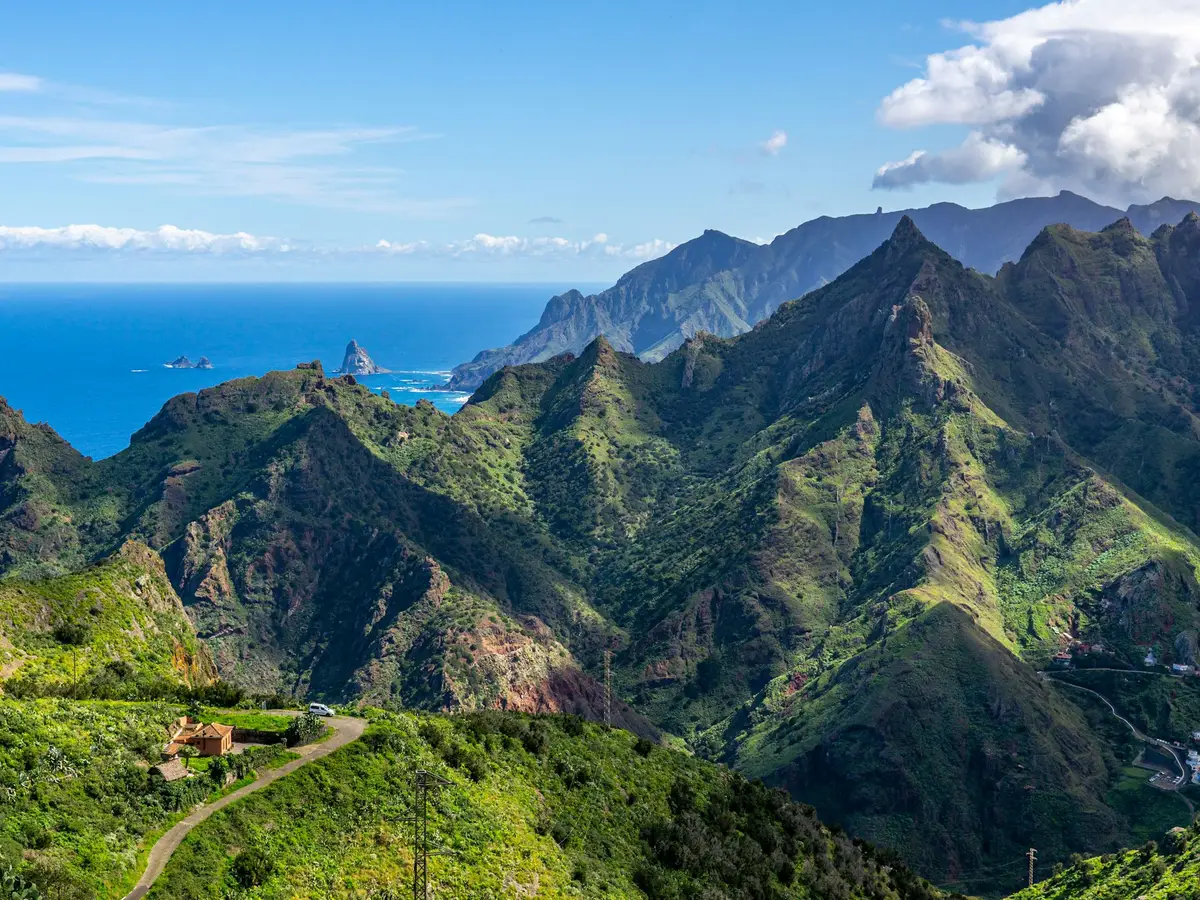
The most varied island. Costa Adeje and Los Cristianos in the sunny south are easy for families; Puerto de la Cruz in the greener north feels more local. Take the cable car up Mount Teide (book ahead and bring a fleece, as it’s cold at the top), or hike the Masca gorge if it’s open. Our Tenerife guide covers where to stay.
Gran Canaria
Two holidays in one: the dunes and resorts of Maspalomas in the south, and Las Palmas, a working city with a three-kilometre urban beach, Las Canteras. Ideal if you get bored of sunbeds by day three.
Lanzarote
Volcanic, low-rise and handsome, thanks largely to the artist César Manrique. Timanfaya National Park, the Jameos del Agua caves and the vineyards of La Geria make easy day trips. Puerto del Carmen is a long-time Irish favourite; Playa Blanca is quieter. It’s also hugely popular with cyclists in winter.
Fuerteventura
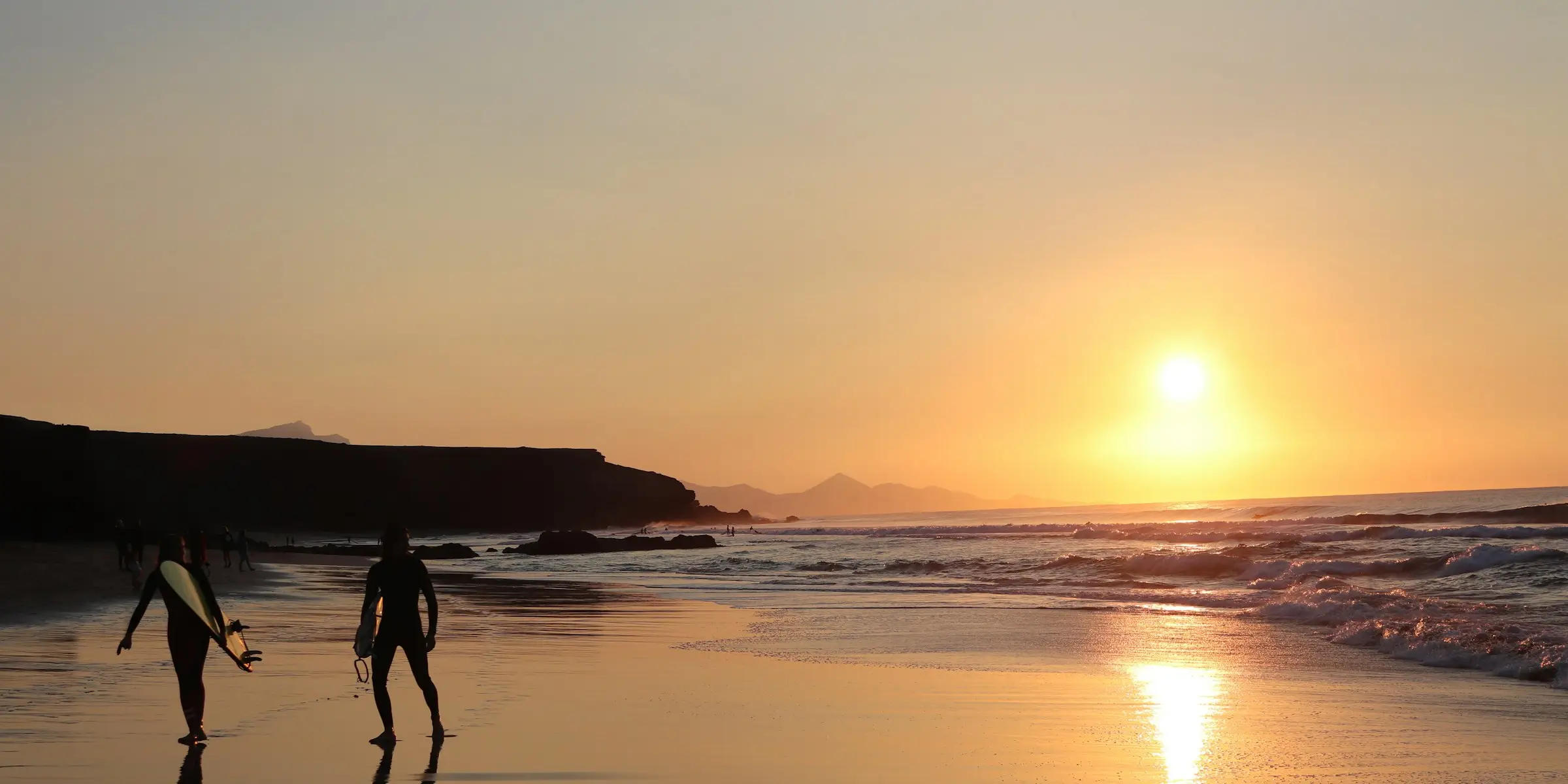
The beach island. Corralejo in the north has dunes and a lively town; the south around Costa Calma and Jandía has mile after mile of sand. Wind is the trade-off: brilliant for kitesurfing and windsurfing, less so for lying still.
2. Madeira
Madeira is a couple of degrees cooler than the Canaries (around 19–20°C in January) and it isn’t really a beach island. What it does brilliantly is walking. The levadas, centuries-old irrigation channels, are lined with paths through laurel forest; the 25 Fontes and Caldeirão Verde routes are classics.
Funchal is a lovely base, with the Mercado dos Lavradores, the wicker toboggans down from Monte, poncha in the old town and famous New Year’s Eve fireworks over the harbour. Ryanair flies direct from Dublin a few times a week (around 3h 45m). The airport is notoriously windy, so the odd diversion does happen.
3. Málaga and the Costa del Sol
The shortest flight on this list, at just under three hours, with direct flights from Dublin and Cork. Málaga in January is typically 16–17°C and often bright: lunch-outside weather rather than sunbathing weather, with a sea too cold for most.
That’s exactly why it works as a city break with sun. Málaga has the Alcazaba, the Picasso Museum, the Atarazanas market and big Christmas lights on Calle Larios. The C1 Cercanías train links the airport with the city centre in around 15 minutes, and runs the other way along the coast to Torremolinos, Benalmádena and Fuengirola. Ronda, Nerja and the Caminito del Rey make easy day trips. Start with our Málaga guide.
4. The Algarve (with a Lisbon add-on)
The Algarve in winter is quiet, green and around 16–17°C, with almond blossom from late January. Plenty of beach restaurants close until spring, but Tavira and Lagos stay alive, golf is in high season around Vilamoura, and the Seven Hanging Valleys trail near Carvoeiro is far nicer without summer heat.
Faro is under three hours from Dublin, and Portugal shares Ireland’s time zone. Lisbon is cooler (around 15°C) but makes a brilliant first leg: fly into Lisbon, take the train south (around three hours) and fly home from Faro. Our Lisbon guide will get you started.
5. Morocco: Agadir and Marrakech
Two very different trips, each around four hours from Dublin, with Ryanair flying to both (Agadir is a winter route, so check the schedule).
Agadir is the warmer bet, often 20–21°C in January, with a long sandy beach, a seafront promenade and the surf village of Taghazout about half an hour up the coast.
Marrakech is about culture rather than sunbathing: the souks, Jemaa el-Fnaa at dusk, the Bahia Palace and day trips into the snow-capped Atlas. Days reach around 18–19°C, but nights can drop to 5°C and plenty of riads are chilly, so ask about heating before you book. Irish citizens don’t currently need a visa for a short tourist stay, but check the travel advice on ireland.ie before you go.
6. Malta
Malta is more history than heat: around 15–16°C in January, with some wet and windy days. In return you get Valletta’s baroque streets, the walled city of Mdina, a day trip to Gozo and Sunday morning at Marsaxlokk fish market with a bag of pastizzi. English is an official language, it uses the euro, it drives on the left and the plugs are the same as ours. Carnival in February is a good excuse to go. Flights take about 3h 35m.
7. Cyprus
Cyprus is a touch warmer than Malta (around 17–18°C in Paphos), with the same euro, left-hand driving and familiar plugs. Base yourself in Paphos for the mosaics of the archaeological park and the Tombs of the Kings, then drive up into the Troodos mountains, which often have snow in January.
The catch is the journey. It’s around 4h 45m to 5h direct, and winter direct flights from Ireland are limited, so you may need to connect.
8. Egypt’s Red Sea
For warmth, the Red Sea edges out everything above, especially in the water: around 21–23°C by day in Hurghada and Sharm el-Sheikh, with a sea of about 22°C that’s ideal for long snorkelling and diving sessions at Ras Mohammed or the Giftun islands. Luxor is a long but doable day trip from Hurghada.
Getting there is the hard part. At the time of writing there are no scheduled direct flights from Dublin, so expect to connect via London, Manchester or a European hub (eight hours or more in total), unless a tour operator runs a winter charter. Irish citizens need a visa, available online or on arrival at the time of writing, and you should read the Department of Foreign Affairs travel advice for Egypt before booking.
If you’ll go long-haul
Long-haul gets you proper heat, but be honest about the journey: most options from Ireland involve a connection, and a one-week trip loses the best part of two days to travel.
Cape Verde
Around 25°C in January, a steady breeze that kitesurfers love, and big all-inclusive resorts on Sal and Boa Vista. From Ireland you’ll usually connect via Lisbon with TAP, roughly seven to nine hours in total. At the time of writing, EU citizens don’t need a visa but must pre-register online and pay an airport security fee before arrival.
Dubai
About 24°C and dry, with Emirates flying direct from Dublin in around 7h 30m. Expect city-break prices rather than budget ones, and a four-hour time difference.
The Caribbean and Mexico
Here you get 28–29°C and properly warm sea. Aer Lingus has added a seasonal direct service from Dublin to Cancún (roughly 10 hours; check this winter’s dates) and ran a spring service to Barbados in 2026. Otherwise it’s a connection via London or a US hub. If you route through the US, you’ll need an ESTA even just to change planes, though Dublin’s US preclearance means you clear US immigration before you leave.
Before you book
- Avoid the obvious weeks. Prices jump over Christmas, New Year and the February midterm. Mid-January and early December are usually the best-value windows.
- Compare DIY with a package. For winter sun, packages from licensed Irish tour operators can be good value and come with financial protection.
- Count the bags. A cheap sale fare plus two checked bags can easily cost double the headline price. Our cheap flights guide has the full playbook.
- Insure from the day you book, so cancellation cover starts straight away.
Quick answers
Where is warmest in Europe in January?
Of the places you can fly to directly from Ireland, the Canary Islands are the warmest reliable option, with daytime highs typically around 20–22°C and the south of each island usually sunniest. Madeira is a couple of degrees cooler. Egypt's Red Sea coast is a little warmer again, but it's outside Europe and needs a connection from Dublin.
How long is the flight from Dublin to Tenerife?
Direct flights from Dublin to Tenerife South typically take around 4h 15m to 4h 30m, varying a little with the winds. Ryanair and Aer Lingus both fly the route, and Tenerife is on the same time as Ireland, so there's no jet lag to deal with.
Is Málaga warm enough in winter?
For walking, sightseeing and lunch outside, usually yes: January highs are typically around 16–17°C with plenty of bright days. For sunbathing and swimming, not really, as evenings are cool and the sea is around 15°C. If beach time matters most, go to the Canaries.
Do I need an eSIM in the Canary Islands?
Usually not. The Canaries are part of Spain, so EU Roam Like at Home applies and you can use your Irish plan as normal, subject to your network's fair-use data limits. An eSIM is worth considering if you need a lot of data, for example for remote work, or if your plan's fair-use cap is low.
Is Marrakech warm in January?
By day, pleasantly so: highs are typically around 18–19°C with lots of sunshine. Nights are cold, often dropping to around 5°C, and many riads have limited heating, so pack layers and ask about heating when you book. For beach warmth in Morocco, Agadir is the better bet.
Written by
Wizuv Editorial
Travel desk, Dublin
We're a small team of Dublin-based travellers who fly out of DUB, ORK and SNN far too often. We test the routes, the bags and the eSIMs ourselves, and we'll always tell you when you don't need to buy something.