From
DUB
Dublin
To
AGP
Málaga
AirlinesAer Lingus · Ryanair
Flight time
2h 55m
Direct
Spain · Mediterranean & Canaries
Winter sun, Picasso’s home town and sardines grilled in old boats on the beach.

Photo: Yuliya Matuzava / Unsplash
01 · Why go
Málaga used to be the airport you landed at on the way to somewhere else on the Costa del Sol. Not any more. Over the past two decades the city has reinvented itself, and its old town of marble streets, Moorish walls and tapas bars now holds a cluster of serious museums, a smartened-up port and a proper food scene.
For Irish travellers, the big selling point is the calendar. Highs of around 17°C in January, direct flights from Dublin, Cork and Belfast, and an airport train that reaches the centre in 12 minutes make it one of the easiest winter-sun escapes going. In spring and autumn it’s close to perfect: warm enough for the beach, cool enough to explore.
It works as a city break, a beach week or both at once. Couples come for the food and the Picasso Museum, families like Malagueta beach and the easy train to the resorts, and walkers head for the Caminito del Rey.
The honest caveat: July and August are hot, crowded and expensive, and on cruise-ship days the old town fills with tour groups from mid-morning. Málaga is also a city rather than a resort: its beaches are pleasant rather than spectacular, so if a week by the pool is the goal, stay along the coast.
See how it compares with the alternatives in our guide to the best winter sun from Ireland.
02 · When to go
Best: Apr–Jun, Sep–Oct. Also good: Jan–Mar, Jul–Aug, Nov–Dec.
03 · Getting there
Typical direct flight times. Schedules change by season, so always check the current timetable.
From
DUB
Dublin
To
AGP
Málaga
AirlinesAer Lingus · Ryanair
Flight time
2h 55m
Direct
From
ORK
Cork
To
AGP
Málaga
AirlinesAer Lingus · Ryanair
Flight time
2h 45m
Direct
From
BFS
Belfast
To
AGP
Málaga
AirlineseasyJet · Jet2
Flight time
3h 05m
Direct
From
MAN
Manchester
To
AGP
Málaga
AirlinesRyanair · easyJet · Jet2
Flight time
2h 50m
Direct
From the airport: The C1 local train runs from the station by Terminal 3 to Málaga Centro-Alameda in about 12 minutes, roughly every 20 minutes; the same line runs the other way to Torremolinos, Benalmádena and Fuengirola. The airport express bus (line A) takes around 20 minutes, and a taxi about 15.
04 · Where to stay
Best for: First-timers & tapas
Marble-paved Calle Larios, the cathedral, the Picasso Museum and dozens of tapas bars are all within a few minutes’ walk, and Malagueta beach is 15 minutes away on foot. It’s lively until late, especially at weekends, so ask for a room off the main squares if you value your sleep.
Best for: Street art & value
Squeezed between the river and the port, this grid of streets is covered in large-scale murals and anchored by the CAC contemporary art centre. Hotels and apartments are often cheaper than in the old town, which is a five-minute walk away; it’s a little scruffier, but handy for the airport train.
Best for: Beach & families
The city’s beach district, just east of the port, mixes apartment blocks and hotels with a long sandy strand, playgrounds and chiringuitos grilling sardines. The old town is a 10–15 minute walk away, which makes it the best compromise for families who want the beach on the doorstep without a resort.
Best for: Quiet & local
These former fishing districts, a 15–20 minute bus ride east of the centre, are where Malagueños go for seafood. Expect low-rise houses, small sheltered beaches, a seafront promenade lined with chiringuitos and very few tour groups. Ideal for longer winter-sun stays; less so if you want to walk home from the centre.
05 · Getting around
Málaga’s centre is flat and compact enough to walk everywhere, and EMT city buses run east to the beaches at Pedregalejo and El Palo. The C1 train hugs the coast to Torremolinos, Benalmádena and Fuengirola, while high-speed trains from María Zambrano station reach Córdoba in about an hour and Seville in around two. Taxis are plentiful, and Uber and Cabify both operate.
You don’t need a car in the city or for the coast as far as Fuengirola. One is worth it for a few days of white villages, Ronda, Nerja or the Caminito del Rey: pick up at the airport, choose a full-to-full fuel policy, and read the excess terms before the desk tries to upsell you.
06 · Things to do
The 11th-century Moorish Alcazaba climbs the hill behind the Roman theatre in a series of courtyards, fountains and gardens, with Gibralfaro castle at the top. Buy the combined ticket, go early before the heat, and save your legs by taking a taxi or bus up to Gibralfaro and walking down. At the time of writing, entry is free on Sunday afternoons.
This once-notorious walkway now clings safely to the walls of the Gaitanes gorge, about an hour north of Málaga. Tickets sell out weeks ahead in spring and autumn, so book on the official site. Trains run from María Zambrano to El Chorro, where a shuttle bus takes you to the start; allow three to four hours including the approach path.
Picasso was born on Plaza de la Merced in 1881, and the family flat is now a small museum. The bigger draw is the Museo Picasso Málaga, in a 16th-century palace a few streets away, with works spanning his whole career. Book a timed slot online in summer, and pair it with the Carmen Thyssen museum’s 19th-century Spanish paintings.
Málaga’s classic beach lunch is espetos: sardines skewered on canes and grilled over wood fires in old fishing boats filled with sand. Locals say they’re best in the months without an ‘r’ in Spanish, May to August. Order a plate at a chiringuito in Pedregalejo or El Palo with a tinto de verano, and leave room for fried fish.
Buses run east along the coast to Nerja in about an hour. Walk out to the Balcón de Europa viewpoint, visit the vast Nerja caves just outside town, then take the local bus up to Frigiliana, a whitewashed hill village of steep, flower-lined lanes. Go on a weekday outside high summer, when the coach tours thin out.
07 · Stay connected
Spain is covered by EU Roam Like at Home at the time of writing (November 2026), so a week of winter sun costs nothing extra on most Irish plans, within fair-use limits. Longer stays are different: if you spend more time abroad than at home over four months, your network can start charging. For month-long winters or remote working, an eSIM or local SIM makes sense; check your plan before you go.
More detail in our guide to eSIM vs roaming for Irish travellers.
08 · Insurance
Your EHIC is accepted at public health centres and hospitals in Andalucía, but many clinics on the Costa del Sol are private and will ask for payment or insurance details. Travel insurance covers what the EHIC never will: cancellations, lost bags and getting you home.
Not sure what the EHIC covers? Read do you need travel insurance in Europe?
Málaga cheat sheet
For sightseeing and lunch outdoors, yes: average highs are around 17°C in January, with plenty of sunshine between the occasional wet spell. It isn’t beach weather for most people, and the sea drops to about 15°C, so pick a hotel with a heated pool if swimming matters. November and December are usually the wettest months.
Stay in the city for food, culture and transport links, with a decent beach at Malagueta. Choose Torremolinos, Benalmádena or Fuengirola for bigger beaches, hotel pools and family resorts; all three are on the C1 train, roughly 20–45 minutes from the centre. Plenty of people split a week between the two.
Yes. Granada is about 1h 30m by car and a little longer by bus, and organised day tours run most days. Book Alhambra tickets on the official site as early as you can: they sell out weeks ahead, they’re issued in your name, and you’ll need ID at the gate.
Two days covers the old town, the Alcazaba, the Picasso Museum and a seafood lunch at the beach. With four or five you can add the Caminito del Rey, Nerja or Granada. For winter sun, a full week lets you slow right down.
Last updated
Book this trip
Málaga, sorted.
Partner links. We may earn a commission at no extra cost to you.How it works
Inspiration
Ranked by what actually matters in January: how warm it really gets, how long you're on the plane, and whether you'll need a jumper at dinner.
8 min read

Inspiration
Out the office door on Friday, ordering dinner in another country by nine. Twelve short hops that make two nights away feel like a proper holiday.
7 min read

Phones & data
Your Irish plan already works across the EU, mostly. Here's where the small print bites, when an eSIM earns its keep, and when it's money you didn't need to spend.
8 min read

Spain
Gaudí, Gothic lanes and a Mediterranean beach, all in one walkable city.
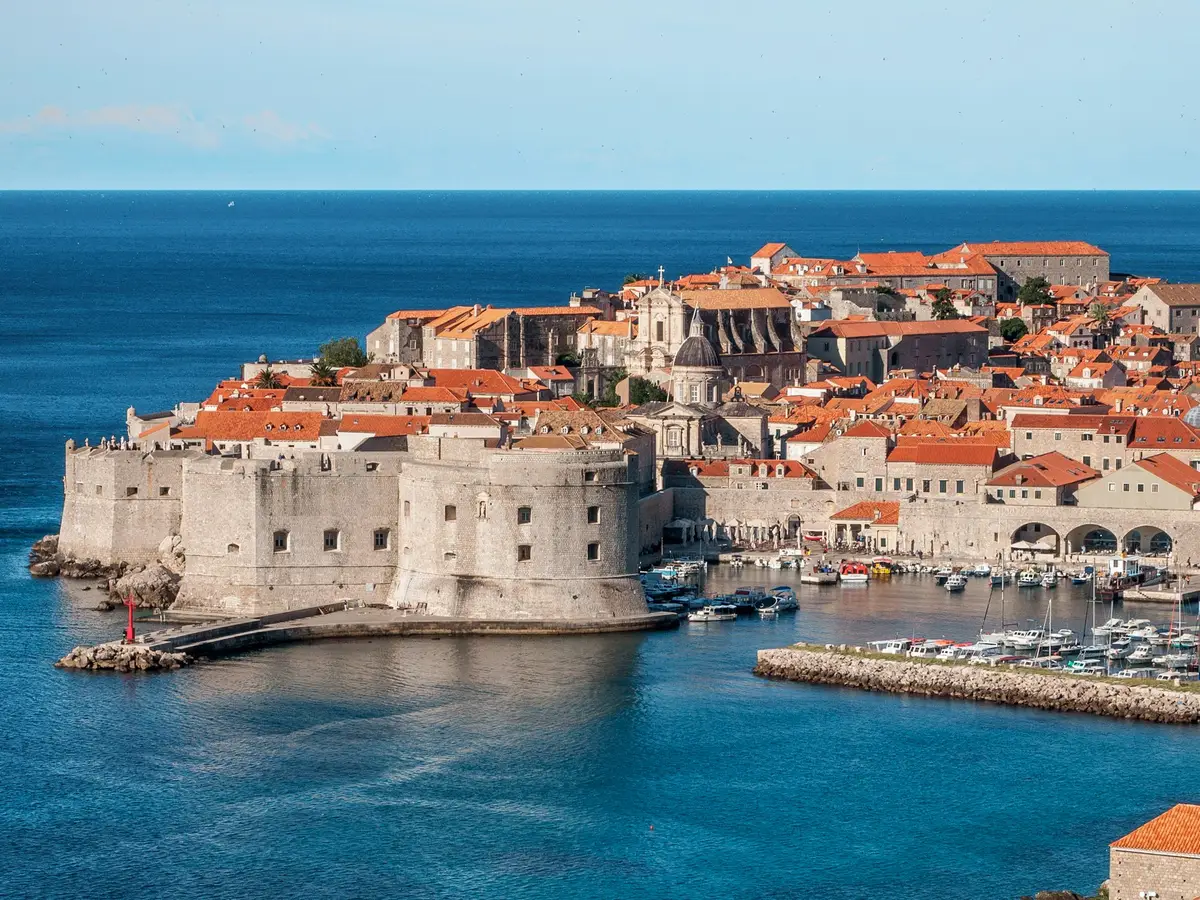
Croatia
Marble streets, mighty city walls and an Adriatic warm enough to swim in October.
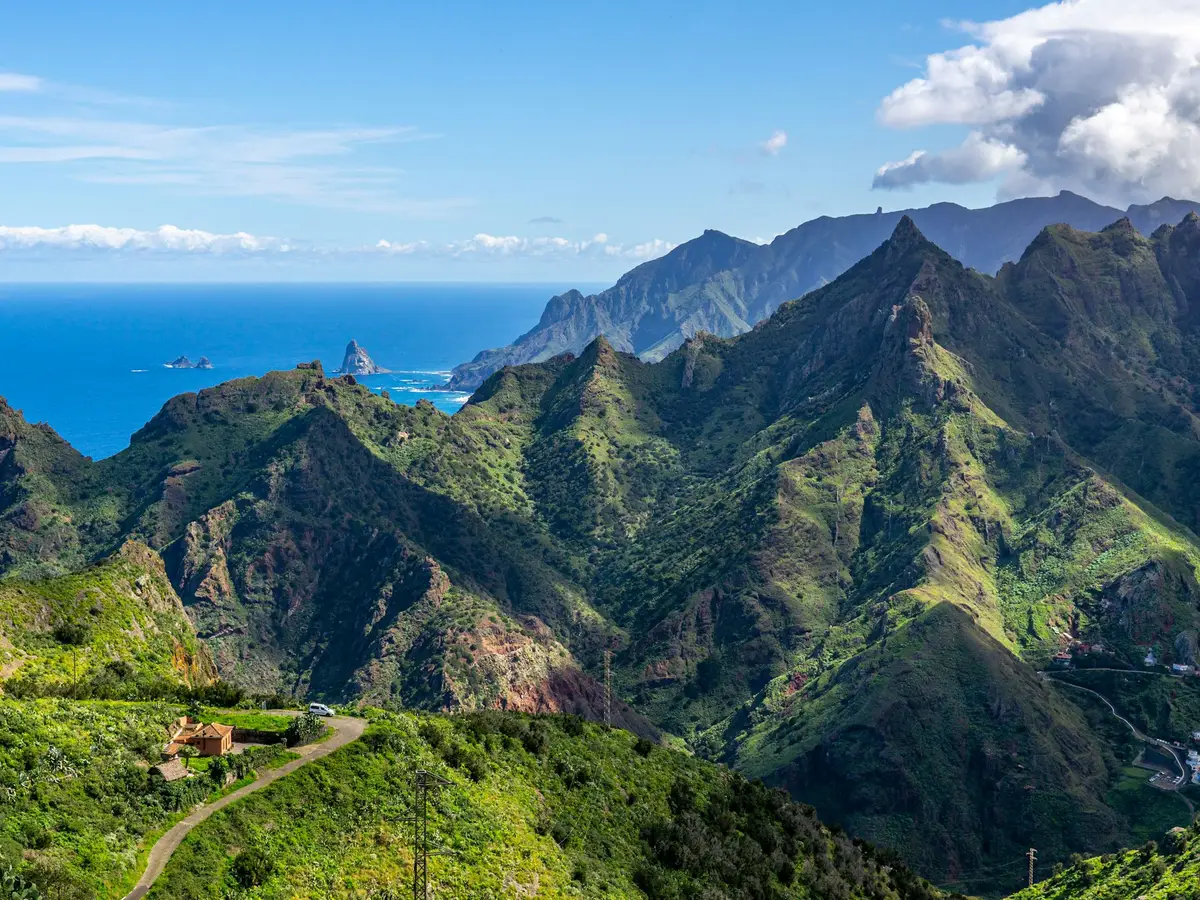
Spain (Canary Islands)
Winter sun with no time difference, a volcano to climb and whales just offshore.