From
DUB
Dublin
To
FCO
Rome
AirlinesAer Lingus · Ryanair
Flight time
2h 55m
Check which Rome airport your flight uses: Fiumicino or Ciampino
Italy · Mediterranean & Canaries
Ancient ruins at every turn, carbonara done properly and piazzas made for lingering.
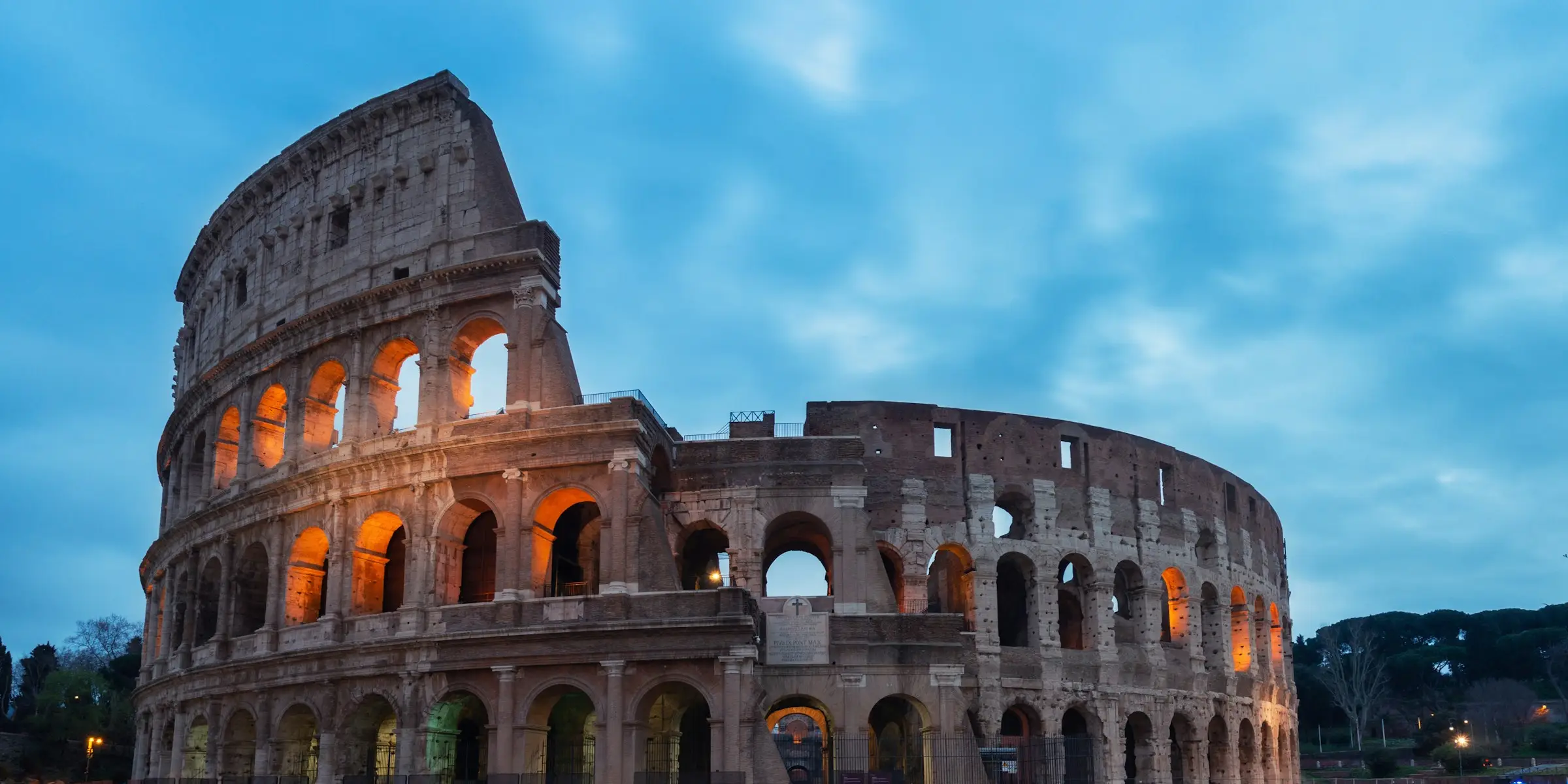
Photo: David Köhler / Unsplash
01 · Why go
Rome doesn’t do subtle. You turn a corner on the way to dinner and there’s the Pantheon, nearly 1,900 years old and still in use; you stop for a coffee near a church with three Caravaggios hanging inside. Few cities let you walk through so many centuries in a single afternoon.
It’s a city of big set pieces, from the Colosseum to St Peter’s and the Sistine Chapel, but the real pleasure is in between: a plate of cacio e pepe in a Monti trattoria, an aperitivo as the evening light turns the buildings orange, the walk home past floodlit fountains.
Rome is a natural first trip to Italy, and it’s wonderful for couples and anyone with an appetite. Flights from Dublin take just under three hours, so a long weekend is doable, though four or five days spares you a sightseeing sprint. Fares climb steeply around Easter and in summer, so our guide to cheap flights from Dublin is worth a read before you book.
The honest caveat: Rome in July and August is brutally hot and very crowded, and the headline sights need booking well ahead in any season. A day on the cobbles is tiring, and pickpockets work the metro and the busiest buses.
Come in April, May, late September or October, and pace yourself: one big sight a day, then let the city do the rest.
02 · When to go
Best: Apr–May, Sep–Oct. Also good: Mar, Jun, Nov.
03 · Getting there
Typical direct flight times. Schedules change by season, so always check the current timetable.
From
DUB
Dublin
To
FCO
Rome
AirlinesAer Lingus · Ryanair
Flight time
2h 55m
Check which Rome airport your flight uses: Fiumicino or Ciampino
From
LHR
London
To
FCO
Rome
AirlinesBritish Airways · ITA Airways
Flight time
2h 30m
Direct
From
FRA
Frankfurt
To
FCO
Rome
AirlinesLufthansa
Flight time
1h 50m
Direct
From the airport: The non-stop Leonardo Express train reaches Termini in 32 minutes; the cheaper FL1 regional train serves Trastevere and Ostiense. Taxis charge a fixed fare to anywhere inside the Aurelian Walls, so use the official rank. Flying into Ciampino (CIA) instead? Coaches run to Termini in about 40 minutes.
04 · Where to stay
Best for: First-timers
Around the Pantheon, Piazza Navona and Campo de’ Fiori, you can walk to almost everything and step out each evening into floodlit piazzas. It’s the most expensive area, there’s no metro, and some streets are loud late at night, but for a first visit nothing beats waking up in the Rome you came for.
Best for: Food & wine bars
One of Rome’s oldest districts sits between the Colosseum and Termini, with ivy-draped lanes, wine bars, vintage shops and good-value trattorias. Cavour metro (line B) is on the doorstep, and the Forum is a five-minute walk. It’s lively but rarely rowdy, which makes it arguably the best all-round base in the city.
Best for: Evenings out
Across the river, Trastevere’s cobbled streets, ochre houses and packed trattorias are at their best after dark. It’s romantic and photogenic but no longer quiet: weekend nights are loud, there’s no metro, and you’ll rely on tram 8 or a 20-minute walk to reach the centre. Choose a room on a side street.
Best for: Quiet & practical
The elegant 19th-century district beside the Vatican has wide, flat streets, metro line A at Ottaviano and Lepanto, and plenty of restaurants with more locals than tour groups. Evenings are calm, which suits families and light sleepers, and the Spanish Steps are just a few metro stops away.
05 · Getting around
Rome is best explored on foot: the historic centre is compact, and the two main metro lines (A and B) skirt it rather than cross it. Buses and trams fill the gaps, including tram 8 to Trastevere; a BIT ticket gives 100 minutes of travel, and you can tap a contactless bank card at metro gates. Use licensed white taxis from ranks or a taxi app rather than flagging one down.
Driving in Rome is stressful, and the historic centre is a camera-enforced ZTL zone, with fines arriving months later via your hire company. Only hire a car if you’re continuing to Tuscany, Umbria or the coast, and collect it at the airport on your way out of the city.
06 · Things to do
One ticket covers all three, but Colosseum entry is timed and, at the time of writing, tickets are issued in your name, so book on the official site as early as you can and bring ID. Start at the Palatine or Forum, which are quieter first thing, then do the Colosseum. Allow at least half a day, and bring water: shade is scarce.
Book a timed entry to the Vatican Museums online and take the first slot of the day or a late-afternoon one; the route to the Sistine Chapel is long and slow-moving. The museums close on Sundays except the last Sunday of the month, which is free and mobbed. St Peter’s Basilica is free; cover shoulders and knees, and climb the dome early.
Bernini’s marble sculptures here look impossibly soft, and there’s a roomful of Caravaggios to go with them. Entry is by pre-booked two-hour slot only, which keeps crowds civilised but means tickets go weeks ahead in spring and autumn. Afterwards, walk through the Villa Borghese gardens to the Pincio terrace for a sunset view over Piazza del Popolo.
The centro storico’s greatest hits are a 15-minute walk apart and painfully crowded by midday. Be at the Trevi Fountain before 8am, then wander to the Pantheon, which now has a small entry fee, and finish with coffee in Piazza Navona. Check current access rules at Trevi, where the city has been tightening crowd control.
Rome’s four classic pastas are carbonara, cacio e pepe, amatriciana and gricia, and Testaccio’s trattorias and covered market are a great place to try them. Add supplì, fried rice balls, from a takeaway, and Roman-Jewish fried artichokes in the old Ghetto in spring. Skip places with photo menus and touts near the big sights, and book dinner from 8pm.
07 · Stay connected
Italy is covered by EU Roam Like at Home at the time of writing (November 2026), so your Irish plan works as it does at home within its fair-use data limit. You’ll use your phone more than you expect here, for QR-code tickets, maps through the tangle of the centre and taxi apps, so check your allowance. An eSIM is worth it if your cap is small or you want a separate data line for a laptop.
More detail in our guide to eSIM vs roaming for Irish travellers.
08 · Insurance
Your EHIC covers state healthcare in Italy on the same terms as locals, but not private care, cancellations, theft or repatriation. Pickpockets work the metro and busy bus routes such as the 64 to the Vatican, so check your policy’s cover for phones and cash.
Not sure what the EHIC covers? Read do you need travel insurance in Europe?
Rome cheat sheet
Three full days is the minimum: one for the Colosseum, Forum and Palatine, one for the Vatican, and one for the Pantheon, Trevi and the centro storico. Four or five lets you slow down, add the Borghese Gallery, and eat your way through Trastevere and Testaccio.
July and August average highs above 31°C, heatwaves can push towards 40°C, and the ruins offer little shade. Many Romans leave around the mid-August Ferragosto holiday, and some family-run restaurants close. If you must go then, sightsee early and late, and rest in the afternoon like the locals.
Yes, for both. Colosseum tickets are timed and often sold out days ahead, while Vatican Museums slots go quickly from spring to autumn. Book on the official sites to avoid resellers’ mark-ups, and only pay for a tour if you actually want the guide.
The coperto is a per-person cover charge for bread and table service; it’s legitimate as long as it’s shown on the menu. Rome also charges a nightly city tax per person, collected by your hotel or apartment host and often not included in the online price. Budget for both.
Last updated
Book this trip
Rome, sorted.
Partner links. We may earn a commission at no extra cost to you.How it works
Inspiration
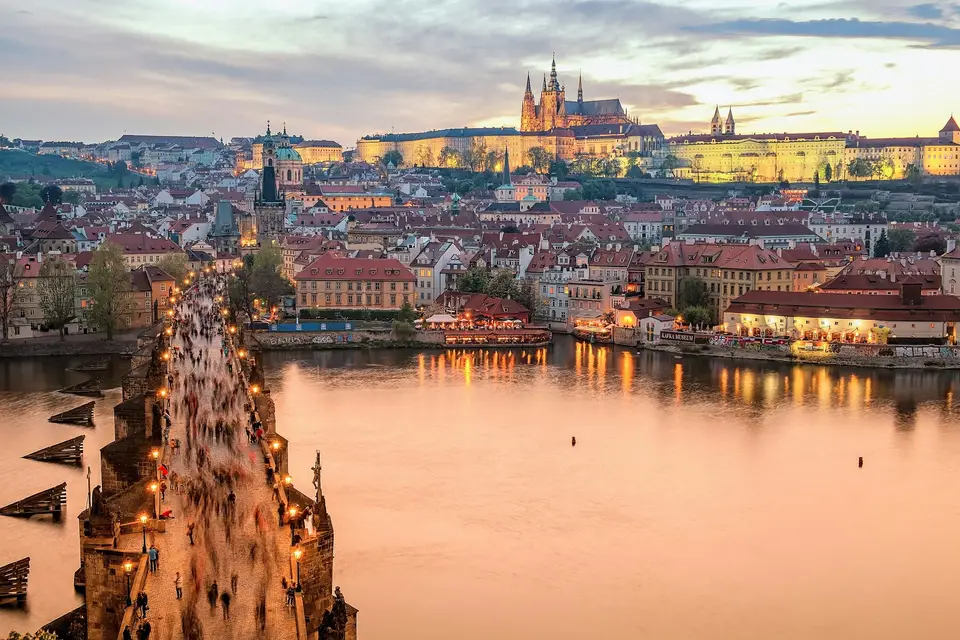
Out the office door on Friday, ordering dinner in another country by nine. Twelve short hops that make two nights away feel like a proper holiday.
7 min read

Flights
The headline fare is only the opening offer. Here's how to find the cheap dates, dodge the extras and know what you're owed when it all goes wrong.
8 min read
Insurance & health
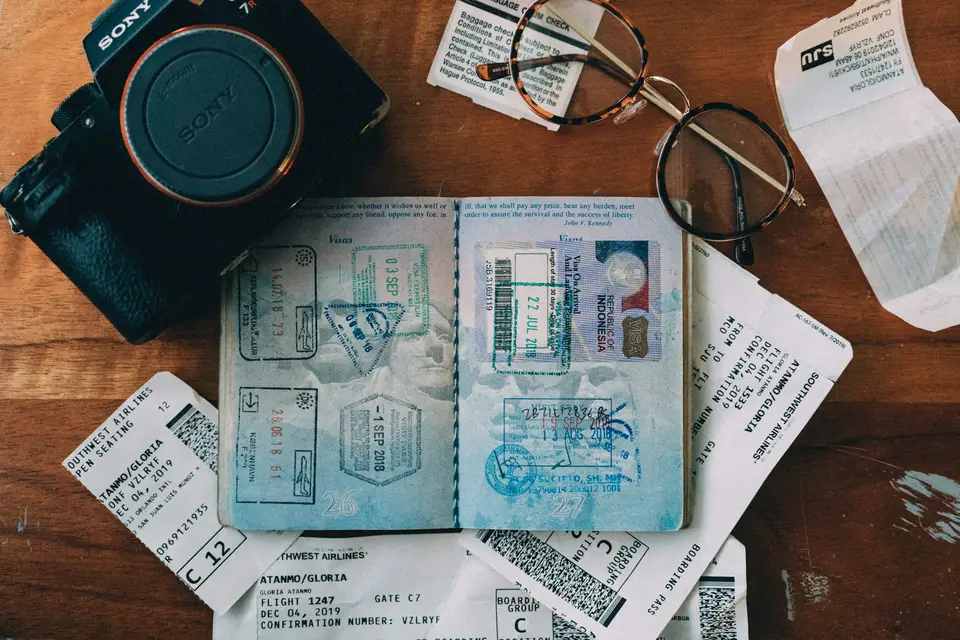
Short answer: yes. Your EHIC is free and genuinely useful, but it was never designed to fly you home, find your suitcase or refund a cancelled holiday.
7 min read
Croatia
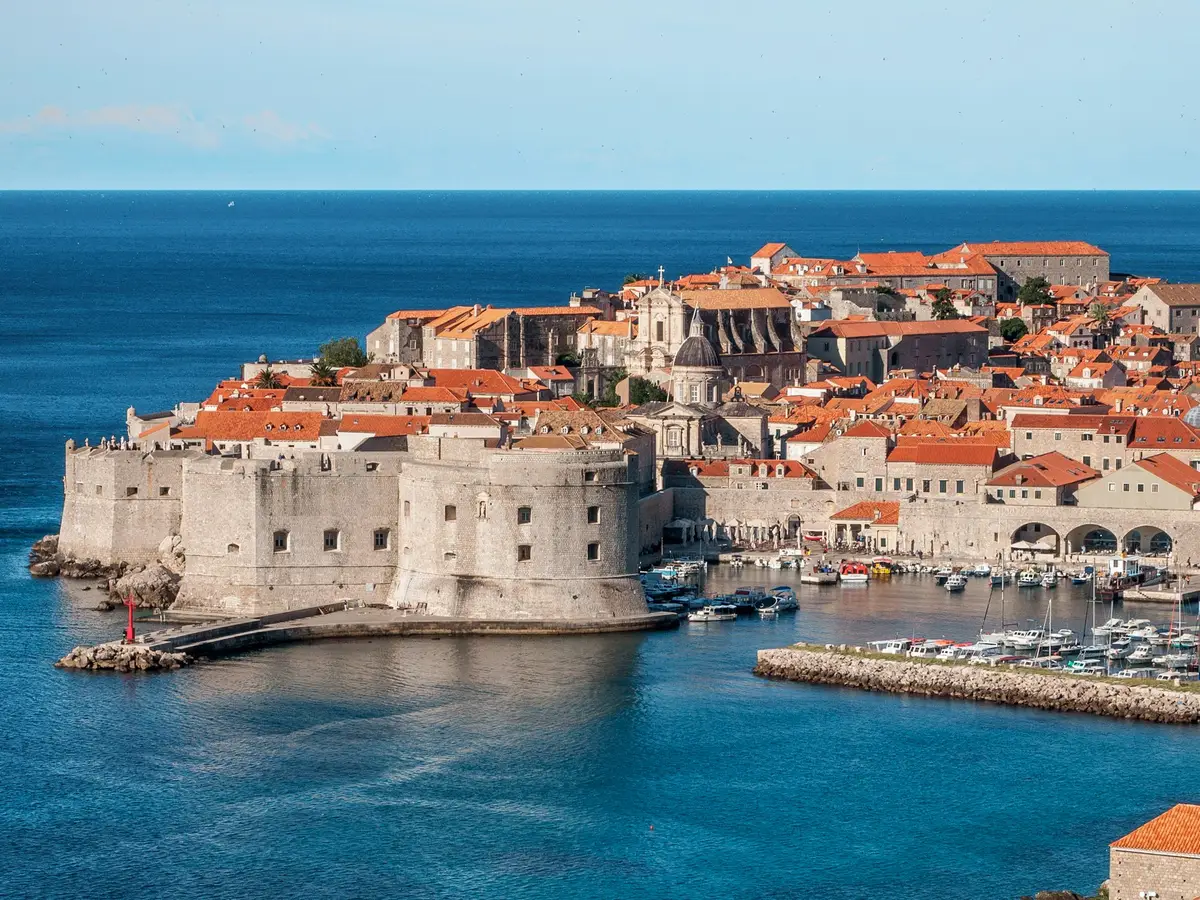
Marble streets, mighty city walls and an Adriatic warm enough to swim in October.
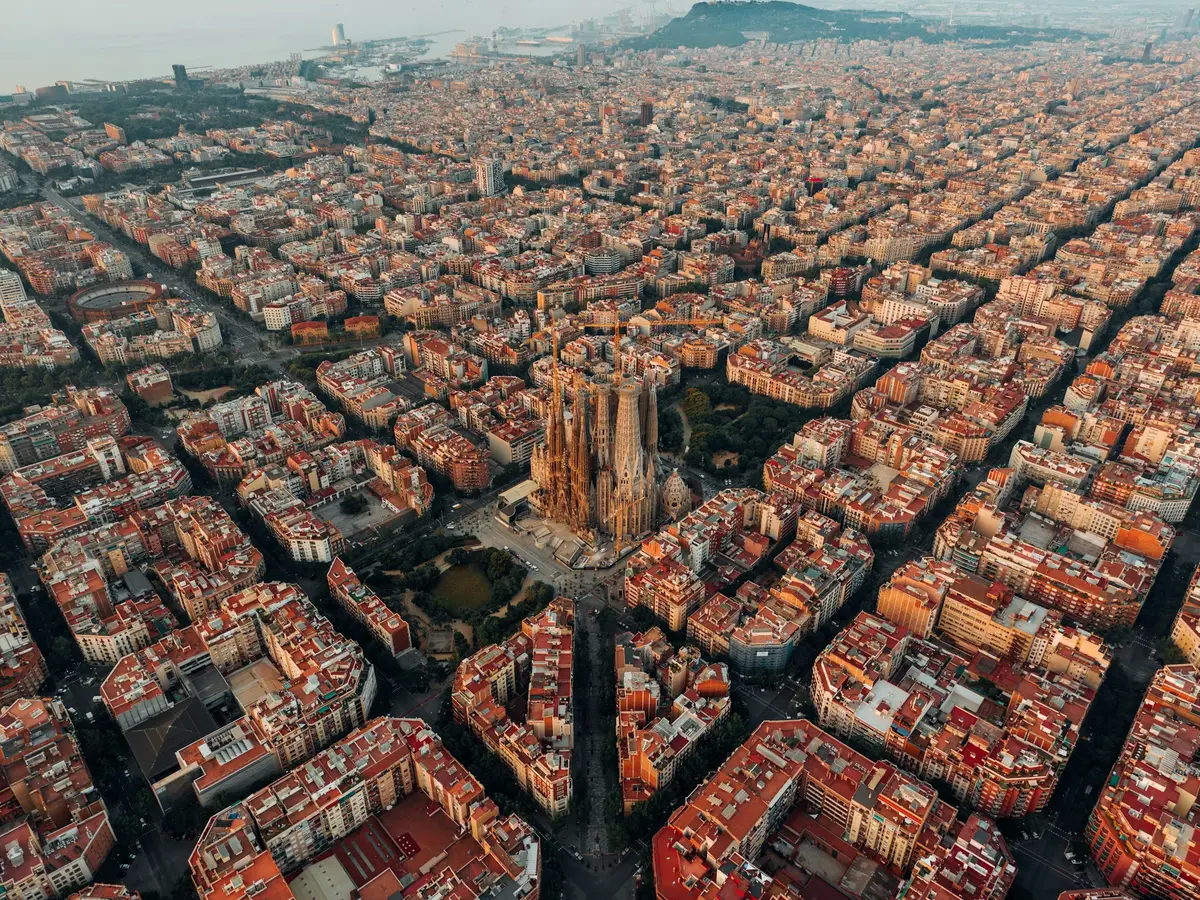
Spain
Gaudí, Gothic lanes and a Mediterranean beach, all in one walkable city.
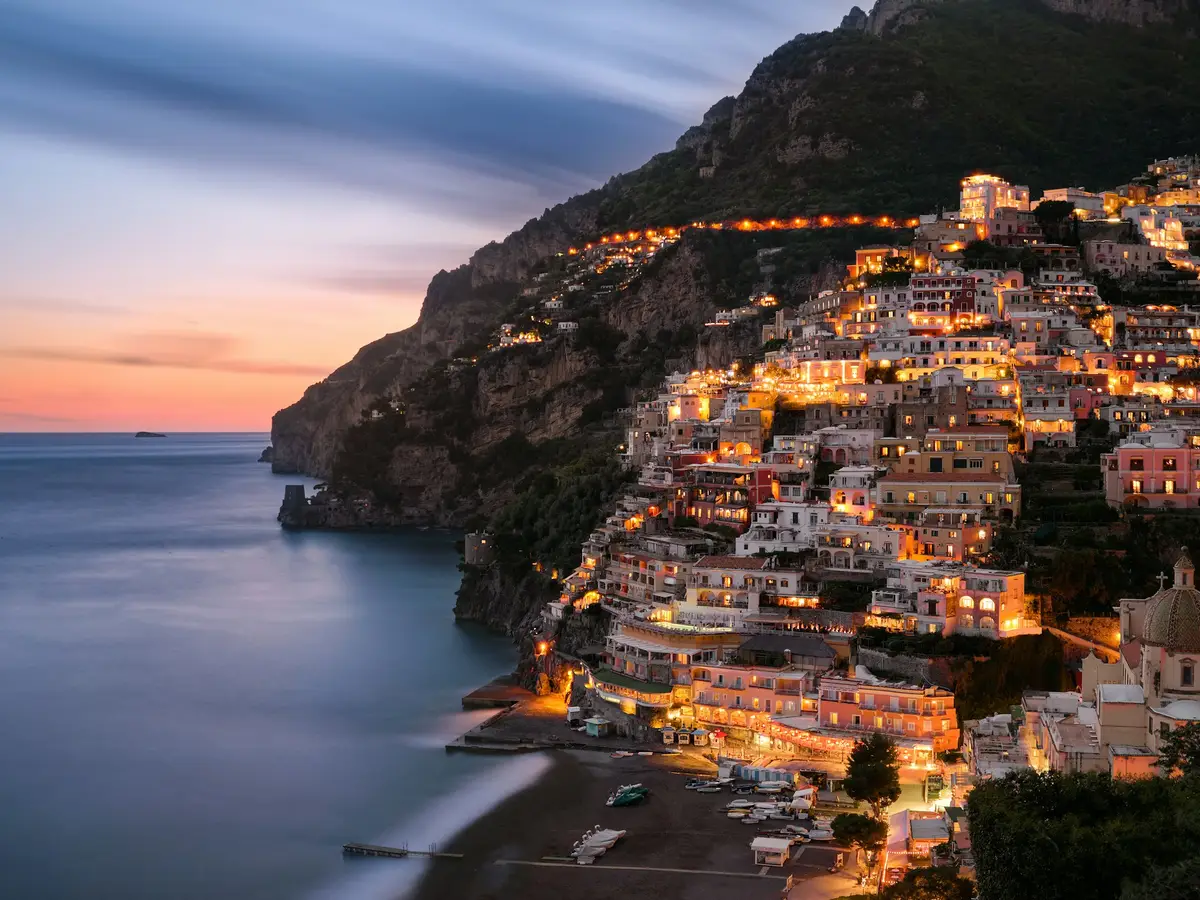
Italy
Cliffside villages, lemon groves and boat days between coves: worth every hairpin bend.